You want more than a great view. When you shop new or newly renovated condos in Port Orange, you expect thoughtful design, proven resilience, modern tech, and services that make ownership easy. At this level, you also want clarity on insurance, HOA budgets, and long-term building health. This guide breaks down what luxury buyers like you should look for in Port Orange and why it matters. Let’s dive in.
Luxury must-haves buyers expect
Primary suite and flexible rooms
A true primary suite should feel like a retreat. You will see larger footprints with a walk-in closet, spa-style bath, and separation from guest rooms. Many buyers also want a flexible second bedroom that converts to a quiet work-from-home space. Market reporting shows luxury demand for turnkey layouts that support privacy and WFH needs. Industry analysis of luxury market growth echoes these priorities.
Chef-forward kitchens that entertain
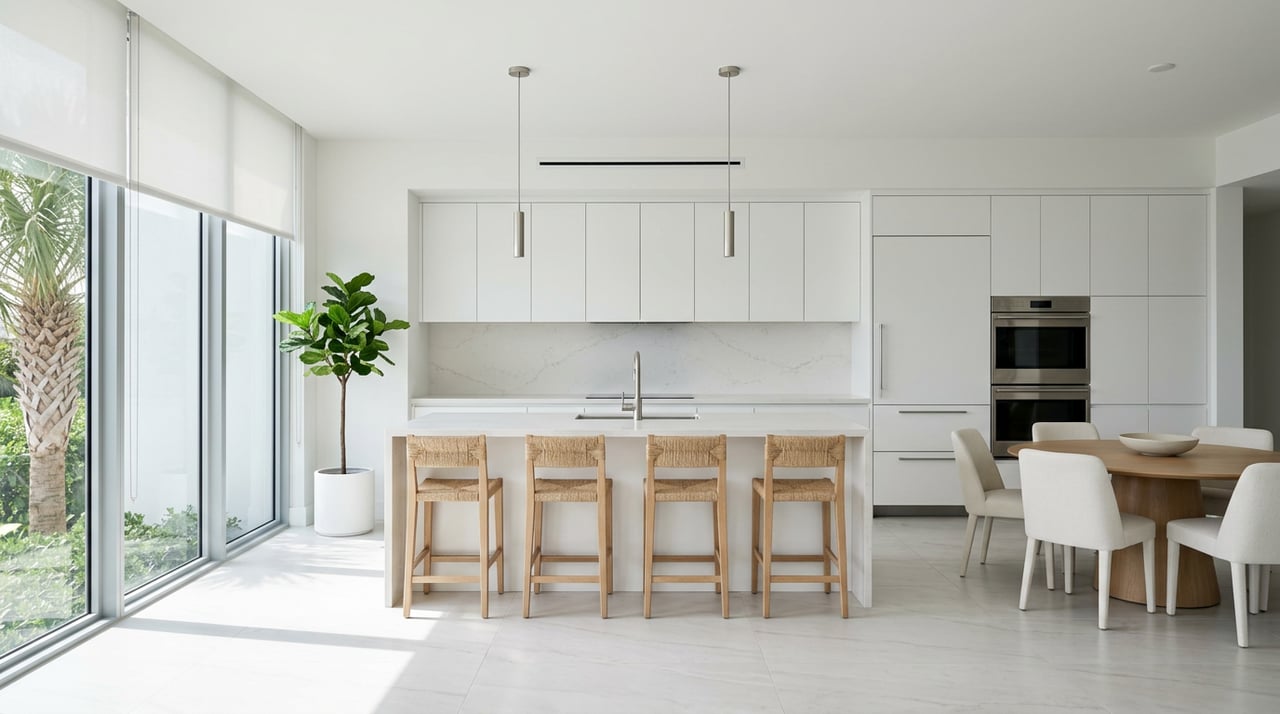
Open kitchens with a large island, integrated appliances, and durable stone or high-end quartz are standard in upper-tier product. Beverage centers, under-counter refrigeration, and quiet, concealed appliances elevate daily living and entertaining. The NKBA 2024 kitchen trends report highlights islands and beverage zones as top buyer preferences.
Private outdoor living year-round
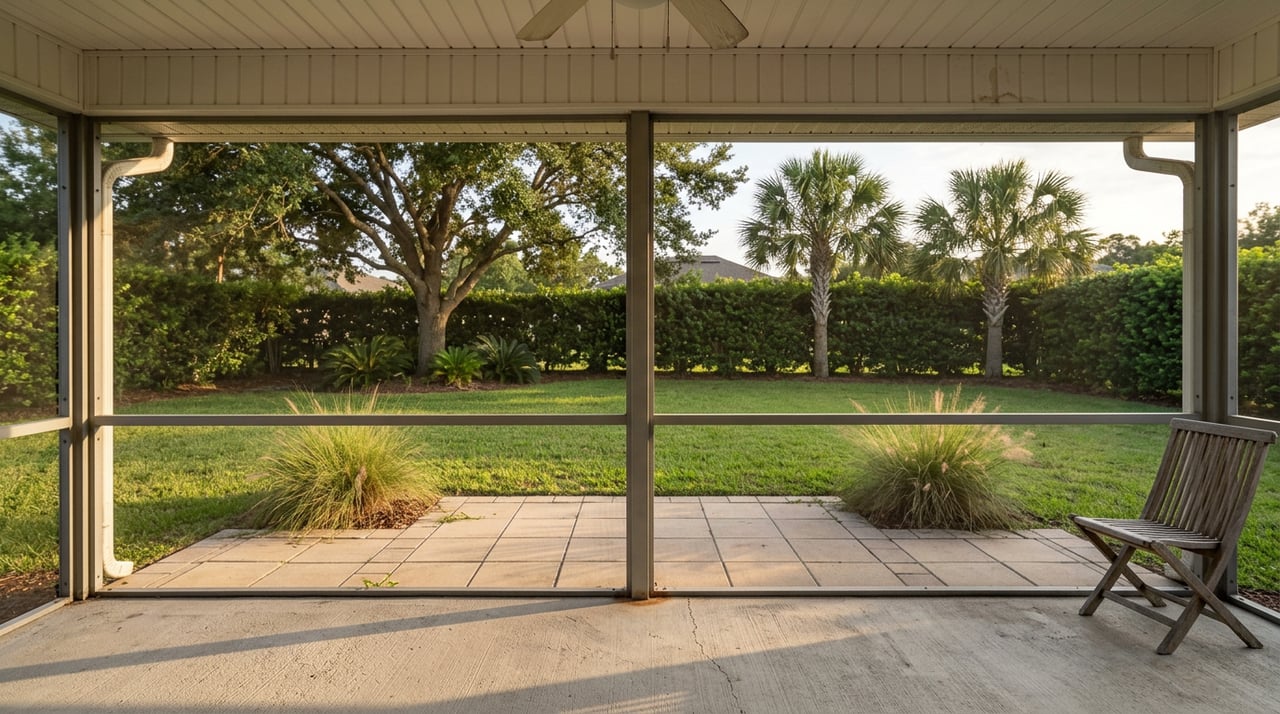
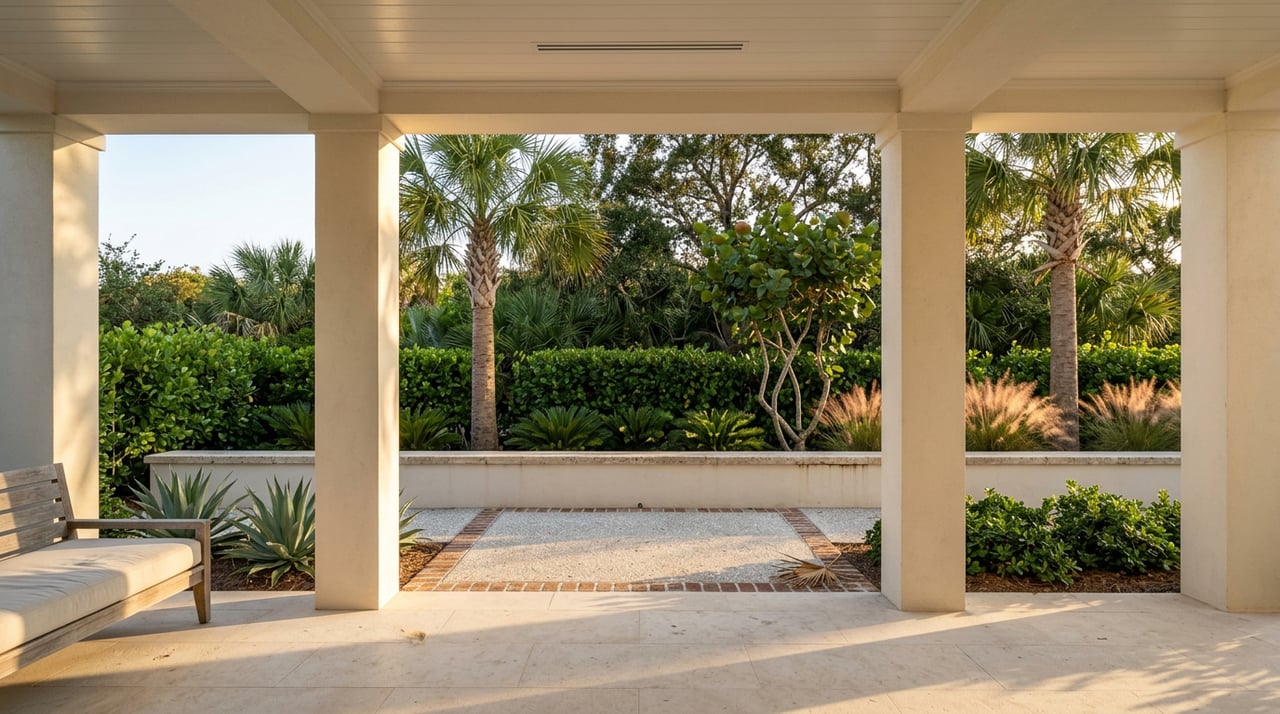
Even modest terraces carry real value on the coast. Look for covered, wind-sheltered spaces you can use most of the year. Rooftop decks or semi-private terraces can add lifestyle and resale appeal, especially when paired with views and easy indoor-outdoor flow. Recent luxury market commentary notes strong demand for outdoor living at the high end.
Storage and service zones
Lock-and-leave convenience is a big draw. Private storage lockers, gear rooms for beach and bike equipment, and a secure package room simplify ownership. Discreet service corridors and on-site maintenance access reduce disruption and help preserve a polished environment.
Built-in resilience buyers verify
Impact protection and building envelope
On the Florida coast, hurricane resilience is non-negotiable. You should verify impact-rated windows and doors or approved opening protection that aligns with the Florida Building Code requirements for wind-borne debris regions. Buyers often ask if current systems meet code or are due for replacement. See the Florida Building Code impact protection overview for context.
Flood elevation and insurance clarity
Port Orange participates in the NFIP and enforces finished floor elevation and stormwater standards. Before you buy, confirm the flood zone, request an elevation certificate, and price flood coverage if applicable. The City’s guidance on local flood protection and NFIP participation is a helpful primer. Insurance costs are influenced by flood and wind exposure, so include premium estimates in your total cost of ownership; local consumer data shows higher averages in parts of Volusia. A quick overview of Port Orange insurance considerations can help frame questions for your insurer.
Mechanical systems and long-term durability
Energy-efficient HVAC, whole-unit ventilation, and accessible service risers matter in coastal climates. Durable exterior cladding and roofing, plus well-designed drainage, reduce maintenance and can support more stable insurance placements over time. Buyers increasingly ask how these features align with current code standards and resilience best practices outlined in the Florida Building Code analysis.
Parking, EV, and secure access
Assigned parking that feels private
Assigned, secure parking is table stakes for luxury buyers in car-centric coastal markets. Some owners will pay a premium for private garages, adjacent stalls, or valet service tied to reliable building operations. Market commentary on premium services confirms these expectations for upper-tier buyers and the need to plan for operating costs that support them. See the luxury market service outlook.
EV readiness that is easy to use
EV capability is now a baseline expectation. Florida law protects a condo owner’s right to install a Level 2 charger in their assigned limited common element parking space, subject to safety, metering, and insurance requirements. Newer buildings that pre-wire stalls or provide common chargers make adoption simpler. Review the specifics in Florida Statute 718.113.
Amenities and services that justify dues
Concierge, valet, and white-glove touches
Luxury buyers value turnkey living. A staffed lobby, 24/7 package handling, on-site management, and optional white-glove services can transform the experience for second-home owners and frequent travelers. Clear communication about staffing levels and the monthly dues that support them helps buyers weigh value. The luxury market outlook on services supports this trend.
Wellness, social, and work-life spaces
Resort-grade pools, spa rooms, private dining or chef’s kitchens, co-working lounges, and pet amenities separate top-tier buildings from basic offerings. Wellness-led programming and curated social events build community and support higher dues when delivered with consistency. Design leaders point to these features as key differentiators in residential projects. See the Gensler Design Forecast for context on experience-driven amenities.
Florida’s new condo reality: SIRS, milestones, financing
Milestone inspections and SIRS explained
State law now requires milestone structural inspections for buildings three stories or more at defined ages, plus Structural Integrity Reserve Studies that must be conducted and funded on schedule. These rules, enacted after Surfside and refined in 2023, directly affect HOA budgets and many lenders’ willingness to finance units. Learn the basics from this post-Surfside condo rule summary.
How rules affect dues and assessments
Expect HOA dues or special assessments to rise where reports identify structural or building system needs. Ask to see the SIRS, milestone reports, and the association’s funding plan before you make an offer. The legal overview outlines why these disclosures now sit at the center of due diligence.
Warrantability and your buyer pool
Lenders and secondary-market buyers review a project’s reserves, delinquencies, and any critical repairs to determine eligibility. If a building has unresolved structural items or large pending assessments, financing options can shrink, which can affect resale value. The National Association of Realtors’ guidance on condominium project eligibility explains why these factors matter.
Port Orange market context
What “luxury” looks like locally
Port Orange largely offers low and mid-rise oceanfront or riverfront buildings, plus townhome and single-family communities. New ultra-luxury, hotel-style condo towers are less common inside the city. If you want private lobbies, marina access, or multiple stacked amenity floors, you may compare options in nearby Daytona Beach Shores or New Smyrna Beach, or focus on Port Orange buildings that deliver standout services and upgraded amenity decks.
How to shop smart in this market
Given the inventory mix, a renovated unit with impact glazing, refreshed kitchens and baths, and updated common areas can deliver strong value. Pair the lifestyle checklist below with a close review of SIRS, insurance, and HOA budgets so you understand the true cost of ownership.
Your buyer due diligence checklist
- Ask for the latest SIRS and any milestone inspection reports, plus the board’s funding plan and minutes that mention repairs or assessments. Reference: post-Surfside rules overview.
- Request the last 2–3 years of HOA budgets, year-to-date financials, and the master insurance policy declarations. Reference: NAR condominium guidance.
- Verify impact glazing or approved hurricane protection at the unit and building levels. Reference: Florida Building Code impact protection.
- Confirm flood zone and elevation, and obtain an insurance quote that reflects current wind and flood exposure. Reference: City of Port Orange flood info and a local insurance overview.
- Check assigned parking, storage lockers, and the EV policy. Florida law supports owner-installed chargers with rules on metering and insurance. Reference: Florida Statute 718.113.
- Ask whether the project is currently warrantable for Fannie Mae, Freddie Mac, FHA, or VA buyers. Reference: NAR condominium project eligibility.
For new and repositioned projects
If you are evaluating a new release or a repositioned condo, expect the best offerings to check these boxes for today’s luxury buyer:
- Larger primary suites, flexible second rooms, integrated appliance packages, and private outdoor space that extends living. Reference: NKBA kitchen trends.
- EV-ready parking with some Level 2 chargers and clear metering or billing paths. Reference: Florida Statute 718.113.
- Impact-rated glazing, durable exteriors, and clear documentation for future SIRS and milestone timelines. Reference: Florida Building Code overview.
- Transparent HOA operating models for concierge, valet, pools, spas, and programming so buyers understand dues versus service level. Reference: luxury service expectations.
Ready to compare options, request documents, and stress test HOA and insurance numbers before you tour? For a discreet, strategy-first approach, connect with The Cook Group Luxury Real Estate to schedule a Private Consultation.
FAQs
What should I ask about building safety in a Port Orange condo?
- Request the latest milestone inspection and Structural Integrity Reserve Study, plus the HOA’s funding plan and board minutes that detail upcoming work.
Do Port Orange condos need impact windows to meet code?
- Coastal buildings must provide approved opening protection; many buyers prefer impact-rated glazing that aligns with Florida Building Code standards.
Can I install an EV charger in my condo parking space in Florida?
- Florida Statute 718.113 allows owners to add a charger in their limited common element space, subject to metering, insurance, and safety requirements.
How do HOA dues and assessments affect financing and resale?
- Lenders review reserves, repairs, and assessments; projects with unresolved structural issues may be non-warrantable, which can limit buyers and pricing.
What flood and insurance factors should I check before buying?
- Verify flood zone and elevation, then get quotes for wind and flood coverage; City and NFIP participation details can inform risks and costs.