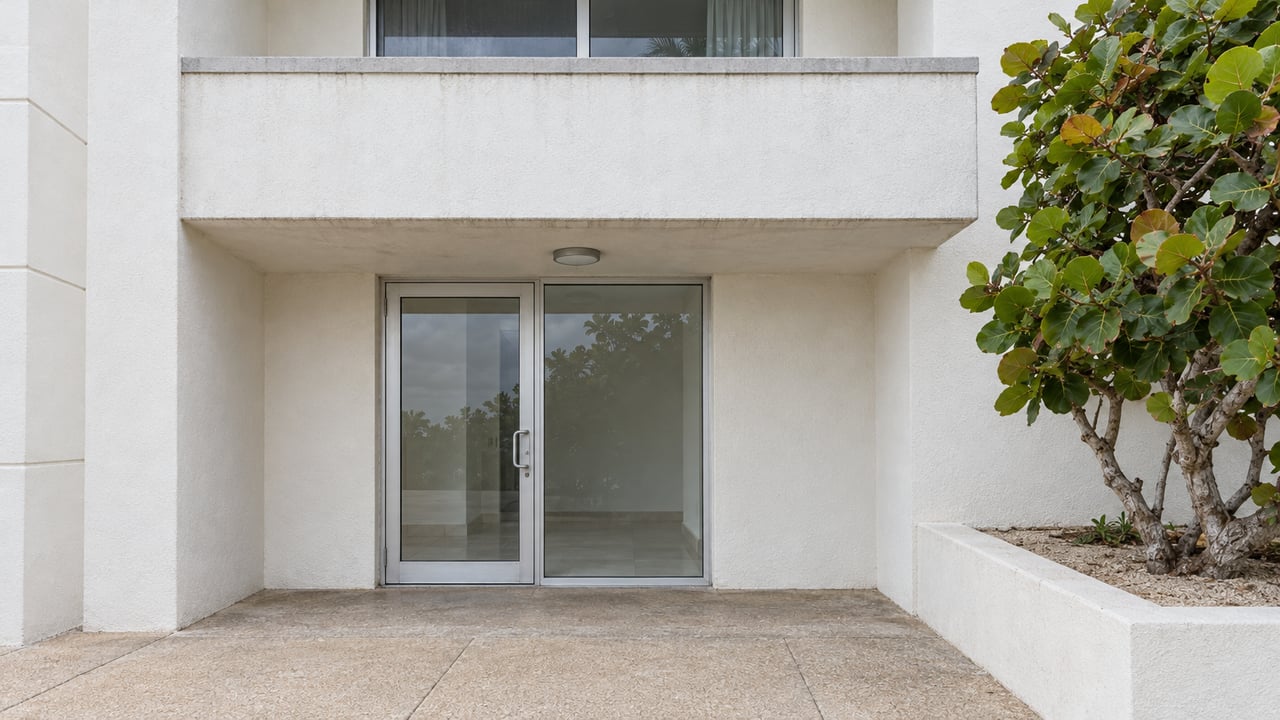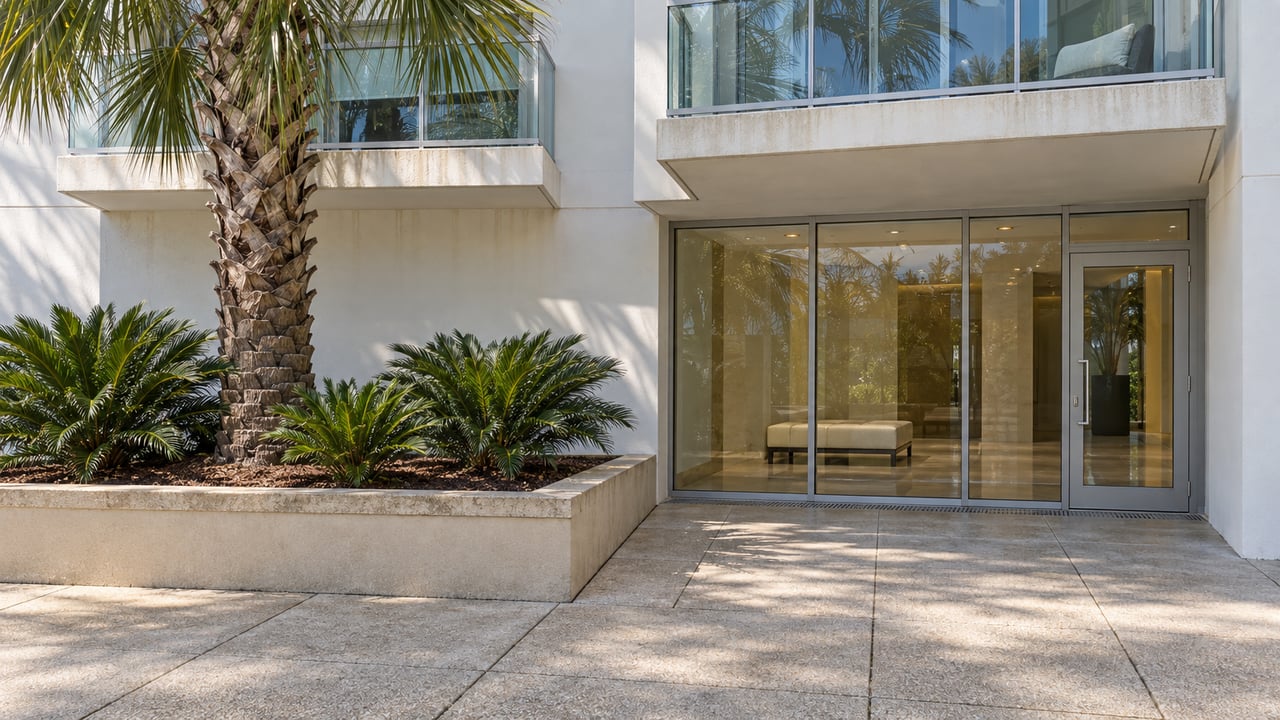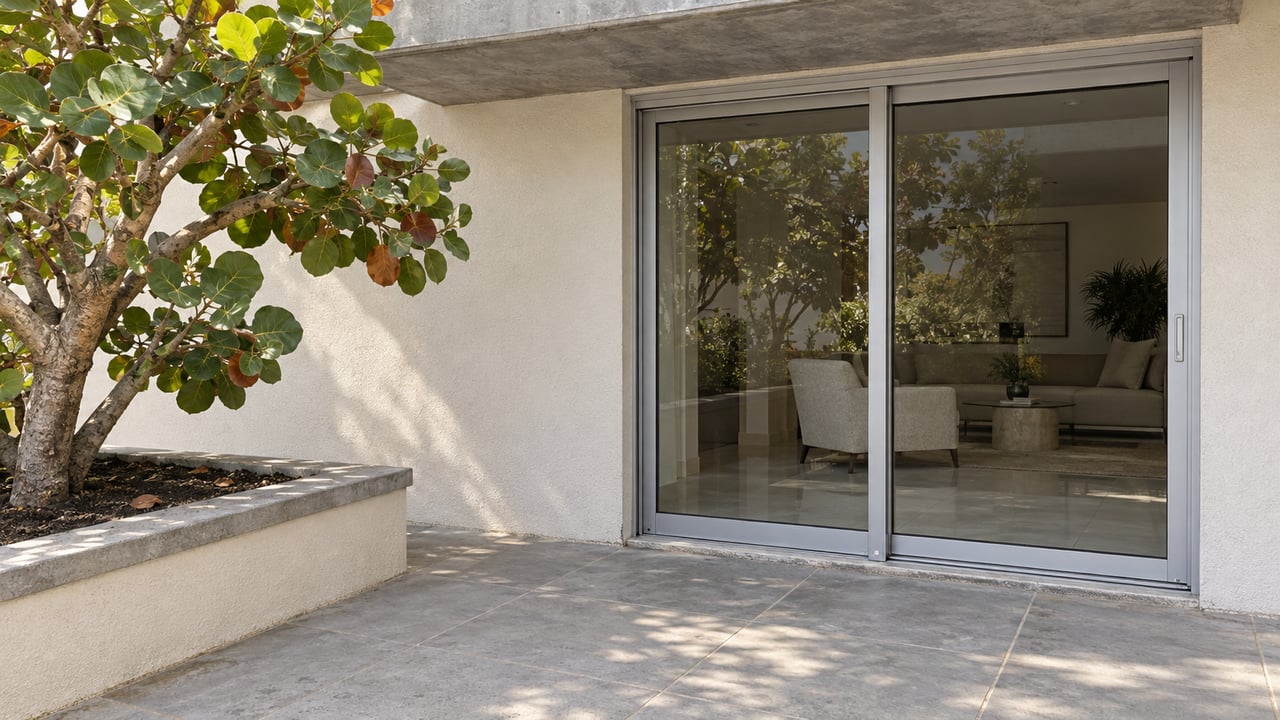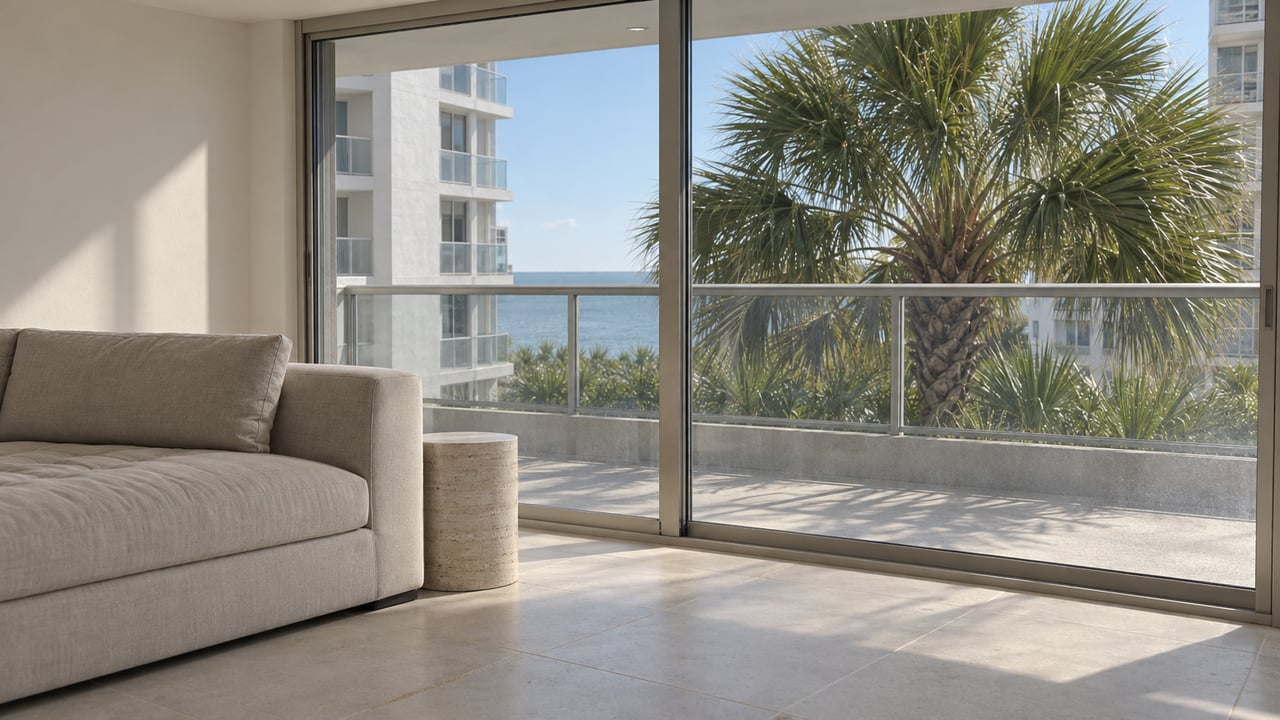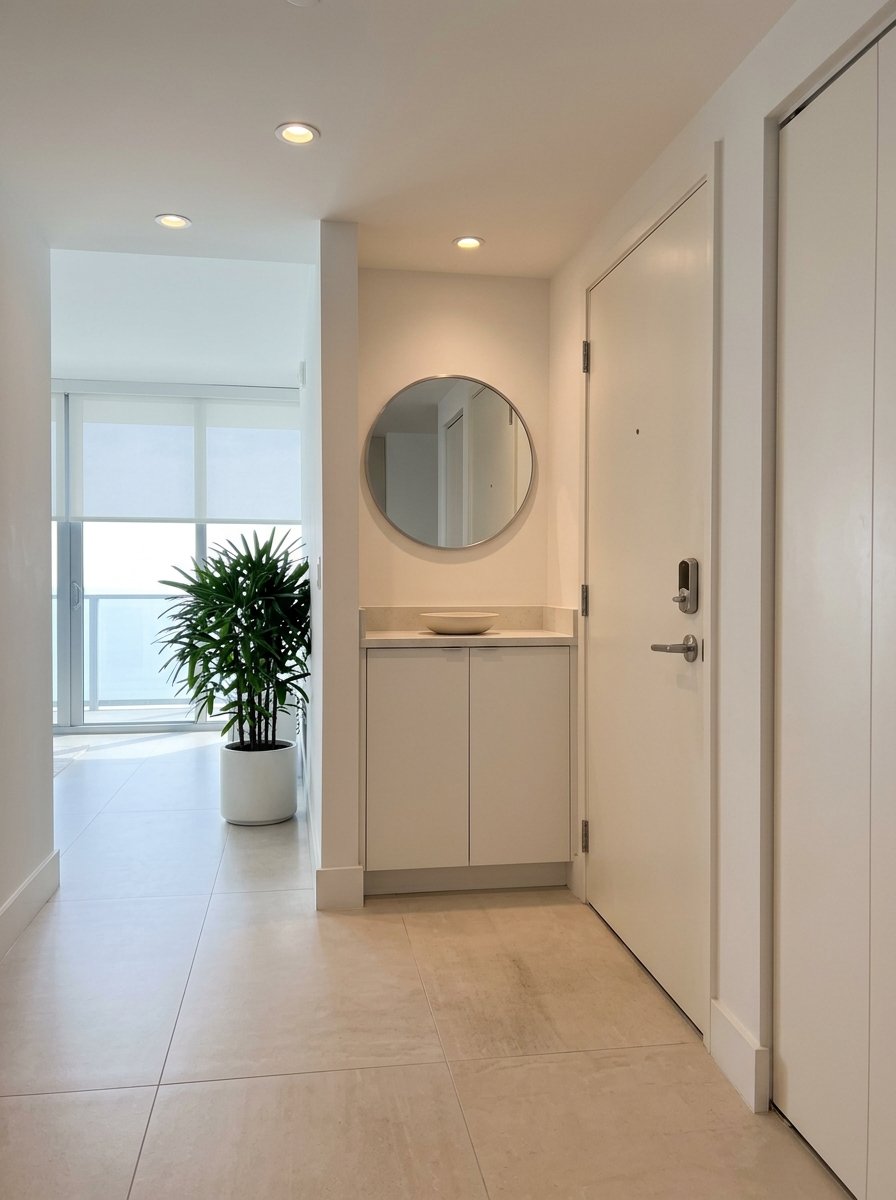
If you picture yourself escaping to the coast for part of the year, a Flagler Beach condo can feel like the perfect fit. You get a low-maintenance home base, easy access to the shoreline, and a simpler way to enjoy seasonal living without taking on the work of a full-time property. The key is knowing that a seasonal condo purchase involves more than views and location. You also need to understand condo rules, carrying costs, vacancy planning, and any future rental restrictions before you buy. Let’s dive in.
Why seasonal condo ownership appeals
For many buyers, a seasonal condo offers a practical way to enjoy Flagler Beach without making a full-time move. You can use the property as a coastal retreat, keep your main home elsewhere, and return when it suits your schedule.
That flexibility is part of the appeal, especially if you want a lock-and-leave lifestyle. Compared with a detached home, a condo may reduce some of the day-to-day upkeep that comes with owning property near the coast.
Know what “seasonal” means for taxes
If you plan to use your condo as a part-time residence, it usually will not qualify for the homestead exemption. In Flagler County, the exemption requires legal title and good-faith permanent residence as of January 1, according to the Flagler County Property Appraiser’s homestead guidelines.
In simple terms, a seasonal home is generally taxed differently than a true primary residence. That makes it important to budget for property taxes without assuming homestead treatment will apply.
Read condo documents carefully
Before you commit to a seasonal condo, the most important documents may not be the marketing materials. They are the condo declaration, bylaws, current rules, and recent meeting minutes.
Under Florida condominium law, these records help define how the property can be used and what obligations may fall on owners. For a seasonal buyer, that matters because occupancy rules, maintenance responsibilities, leasing limits, and owner costs can all be shaped by the association documents.
What to look for in the documents
As you review a condo for seasonal use, focus on practical questions such as:
- Are there limits on how often you can lease the unit?
- Is there a minimum rental period?
- Are there approval requirements for tenants or guests?
- What maintenance obligations belong to the owner?
- Are there recent discussions about repairs, reserves, or assessments?
These details can affect how easy the condo is to use, leave vacant, or rent occasionally.
Understand the full carrying cost
Monthly fees are only one part of condo ownership. Your true carrying cost may also include property taxes, insurance, reserve funding, and the possibility of special assessments.
Under Florida law on condo budgets, annual budgets must include reserve accounts for capital expenditures and deferred maintenance. The state also notes that structural integrity reserve studies for certain buildings can affect future reserve needs, special assessments, or loans.
For you as a buyer, this means a condo with attractive monthly dues is not always the full story. Looking at reserves, planned repairs, and association financials helps you understand the real cost of ownership over time.
Plan for insurance in a coastal condo
Insurance deserves close attention when you are buying near the water. Florida law requires residential condominium associations to carry adequate property insurance, but that does not mean the association policy covers everything inside your unit.
The association policy and your unit-owner policy serve different roles. According to Florida condominium insurance requirements, owners are generally responsible for items inside the unit that the association policy excludes.
Flood coverage is another separate issue. FEMA explains that flood insurance for condominium owners is separate from most homeowners coverage and may be required by a federally backed lender in a Special Flood Hazard Area. Flagler Beach also keeps flood insurance rate maps available for public review and can provide a floodplain determination for a specific property.
Leaving a seasonal condo vacant
A seasonal home is often empty for part of the year, so vacancy planning matters. Even when you are away, the condo association still has certain rights and responsibilities tied to maintenance and damage prevention.
Under Florida condominium law, an association has a right of access during reasonable hours when needed for maintenance or to prevent damage. The law also says a unit may be presumed abandoned if no tenant has lived there for two consecutive months and the association cannot reach the owner after reasonable inquiry.
A smart vacancy checklist
If you will be away for stretches of time, it helps to have a clear plan for:
- A dependable local contact
- Mail handling
- Utility monitoring
- Storm preparation
- Quick response if a leak or building issue comes up
This is one of the biggest practical differences between owning a seasonal condo and owning a full-time residence.
Renting the condo occasionally
Some seasonal buyers like the idea of offsetting costs with rental income when they are not using the unit. In Flagler Beach, that can be possible, but it is not something to assume.
First, the condo documents must allow it. Then your plan must also fit city and county requirements.
According to the City of Flagler Beach’s short-term rental application packet, short-term condo rentals are a regulated use. The city requires registration with the Flagler County Tax Collector, a local business tax receipt number in rental ads, a local contact, and both an initial fire inspection and annual self-inspection before renewal.
Key Flagler Beach rental rules
As of the city’s November 2025 application packet, short-term rental requirements include:
- Permit year from October 1 through September 30
- Minimum stay of seven days
- Occupancy limit of two guests per bedroom plus two guests per sleeper sofa, with no more than four extra people
- General liability insurance
- State license copy
- Sales tax certificate
- Completed local-contact and property-management form
The same city packet lists the following fees:
- $60 application review fee
- $55.12 local business tax receipt
- $50 per-unit rental permit
- $400 initial fire safety inspection
The city also states that owners must update the city within 10 days if the local contact or address changes. It also reserves the right to inspect the premises for fire-code compliance.
Rental income comes with tax obligations
If you rent the condo for six months or less, there are local and state tax considerations to review. According to the Flagler County Property Appraiser, Flagler County imposes a 5% Tourist Development Tax on qualifying rentals, and the county says online platforms do not remit it for hosts.
The county also says rental properties require a local business tax receipt. In addition, the Florida Department of Revenue notes that transient rentals may be subject to state sales and use tax and any applicable local transient rental tax.
For many owners, this is the moment where a seasonal condo shifts from personal retreat to active business operation. If rental income is part of your plan, it is worth evaluating the process before you buy, not after.
Use the city checklist as a readiness test
Even if you do not plan to rent right away, the city’s inspection standards can be a useful benchmark. The Flagler Beach rental inspection checklist references items such as visible address markings, unobstructed exits, a kitchen-level fire extinguisher, and smoke detectors near the kitchen and outside each bedroom.
That kind of checklist helps you think more practically about the property. A beautiful condo still needs to function well when you are absent, when guests visit, or if your long-term plans change.
Best questions to ask before buying
If you are considering a Flagler Beach condo as a seasonal home, ask these questions early:
- Does the association allow the type of occupancy you want?
- What do the financials show about reserves and possible assessments?
- What insurance will the association carry, and what would you need as the unit owner?
- Is the property in an area where flood insurance may be required?
- If you want occasional rental income, do the condo rules and city requirements allow it?
- Who will serve as your local contact when you are away?
These questions help you move beyond the surface and buy with a clearer understanding of both lifestyle and cost.
Buy with a long view
A seasonal condo in Flagler Beach can be a smart and enjoyable way to own along the coast, but it works best when you treat it as a full decision, not just an emotional one. The strongest purchases usually come from balancing lifestyle goals with careful review of documents, reserves, insurance, vacancy planning, and any future rental strategy.
If you want guidance on evaluating coastal condo options with a more private, hands-on approach, The Cook Group Luxury Real Estate can help you navigate the details with clarity and discretion.
FAQs
Can you get a homestead exemption on a seasonal Flagler Beach condo?
- Usually no. According to Flagler County, homestead treatment requires legal title and permanent residence as of January 1, so a typical seasonal condo generally does not qualify.
What condo documents matter most for a Flagler Beach seasonal buyer?
- The declaration, bylaws, current rules, and meeting minutes matter most because they help define occupancy rules, leasing limits, owner obligations, and potential costs.
Can you rent out a seasonal condo in Flagler Beach part of the year?
- Possibly, but only if the condo association allows it and the rental also complies with City of Flagler Beach requirements, licensing, inspections, and occupancy rules.
What is the minimum short-term rental period for a Flagler Beach condo?
- Under the City of Flagler Beach’s November 2025 rental packet, the minimum stay is seven days.
What extra costs should you expect with a Flagler Beach seasonal condo?
- In addition to the purchase price, you should budget for property taxes without homestead treatment, association assessments, insurance, reserves, possible special assessments, and maintenance-related costs while the unit is vacant.
Why does a local contact matter for a seasonal condo in Flagler Beach?
- A local contact can help respond quickly to maintenance issues, storm concerns, city updates, or association needs when you are not in residence.