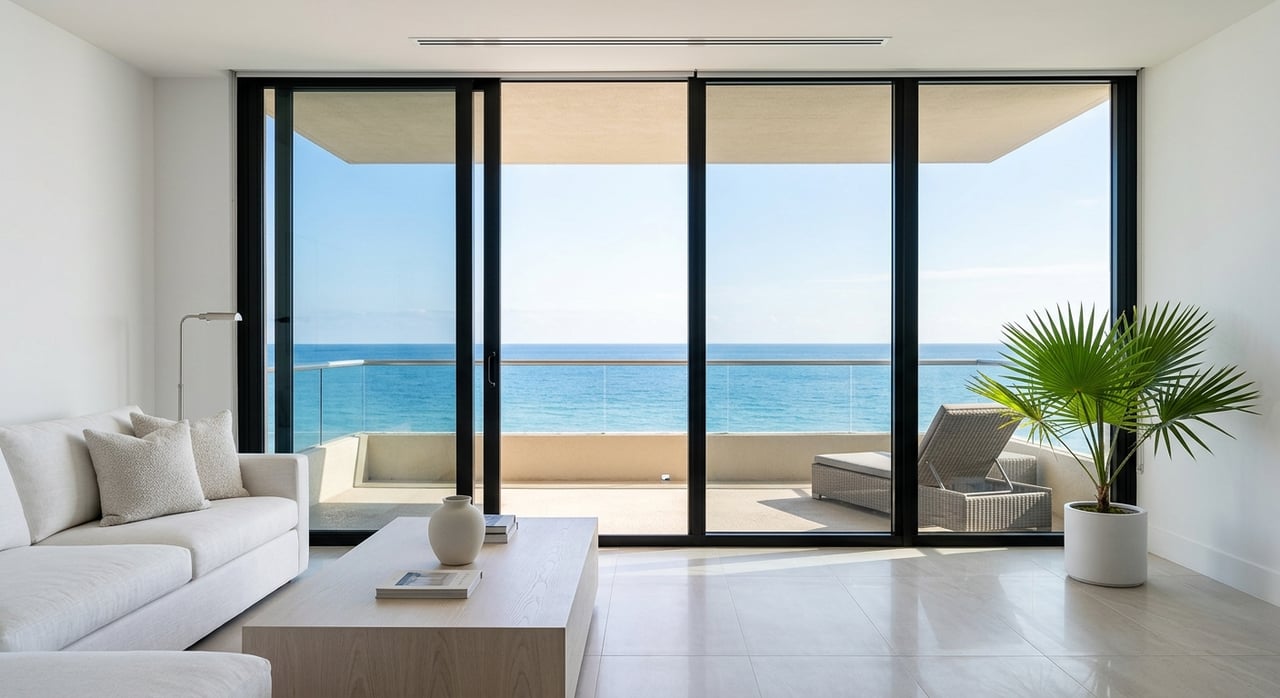
Wondering whether Flagler Beach oceanfront property is giving you a buying opportunity, a selling window, or a signal to wait? If you are watching this stretch of coast closely, the answer is rarely found in one headline number. In Flagler Beach, the market is shaped by scarcity, building-level details, and timing, and understanding those signals can help you make a more confident move. Let’s dive in.
Why Flagler Beach Stands Apart
Flagler Beach is priced above the broader county market, which tells you right away that buyers are paying for a specific coastal experience. In the latest city snapshot, the median listing price sits around $562,700, compared with about $409,821 countywide. Median price per square foot also runs higher in the city, at about $310 versus $220 across Flagler County.
That premium matters, but so does the market tone behind it. Homes in Flagler Beach have recently sold for about 96% of asking, while countywide sales have been closer to 98% of asking. Realtor.com also showed Flagler Beach shifting from buyer-leaning in February 2026 to balanced in March 2026, which suggests a market that is normalizing rather than suddenly accelerating.
Oceanfront Is Not One Market
One of the most important signals in Flagler Beach is that oceanfront inventory is narrow and segmented. Public listing snapshots show 48 condo listings on Realtor.com, 41 condo listings on Zillow, and 62 homes under Zillow’s ocean-front filter. That points to a market where small inventory shifts can influence perception quickly.
It also means you should avoid treating every coastal listing as interchangeable. In Flagler Beach, there is a meaningful difference between water view, ocean view, waterfront, and direct oceanfront. That distinction often affects both pricing and buyer demand.
At the building level, the story gets even more specific. Realtor.com neighborhood counts show 10 active listings in Nautilus Condominiums, 4 in Ocean Marina, 2 in Ocean Beach Club II, and 2 in Marian Bay. In a thin condo market, building-by-building comparison can be more useful than broad citywide averages.
What Pricing Is Really Telling You
Current condo listings suggest a broad price band from roughly $194,500 to $875,000. The core of the market appears to sit in the high-$200,000s to low-$400,000s for many 2-bedroom, 2-bath units. Larger units, stronger positions, and direct oceanfront placement tend to push pricing into the $500,000 to $800,000-plus range.
Price per square foot examples currently range from about $321 to $456. That spread is important because it reflects more than square footage alone. Exposure, building age, frontage, condition, association fees, and perceived future costs can all shift value.
This is why the city median is only a backdrop. If you are evaluating a specific condo, the better question is not just, “What is Flagler Beach doing?” It is, “What is this building doing, and how are buyers reacting to this exact set of costs and risks?”
HOA Fees and Building Age Matter
In Flagler Beach, buyers are not responding to list price alone. They are often weighing the total carrying cost of ownership and the condition profile of the building.
Current listing examples show how wide that spread can be. A 1979 ocean-view condo listed at $379,900 has been on the market 165 days with a $180 monthly HOA. A 1980 oceanfront unit listed at $420,000 has been on the market 266 days with a $550 HOA. A 1984 Aliki Gold Coast unit listed at $497,500 was only 4 days on market, but carries a $1,550 HOA, while a 2007 three-story oceanfront condo listed at $875,000 was 22 days on market with a $1,074 HOA.
That kind of variation suggests buyers are pricing in more than view and finishes. They are looking closely at association cost, reserve strength, perceived maintenance exposure, and the age of the building itself. For both buyers and sellers, this is one of the clearest signals in the current Flagler Beach oceanfront market.
Florida Condo Rules Are Shaping Decisions
For many Flagler Beach buildings, Florida condo law is now part of the value conversation. Under current law, residential condo buildings that are three stories or higher need a structural integrity reserve study every 10 years. Local enforcement agencies may also require milestone inspections at 25 years for buildings within 3 miles of the coast, or 30 years otherwise.
For potential buyers, that means certain records are not optional background material. According to DBPR guidance cited in the research, structural reports and reserve studies are part of the association’s official records and must be provided to potential purchasers. In a market with many 1970s and 1980s buildings, these documents can influence both confidence and pricing.
If you are buying, this is a practical checkpoint, not just a legal one. A lower purchase price can lose its appeal if reserve funding is weak or if major future costs appear likely. If you are selling, organized documentation can help reduce friction and support buyer confidence early in the process.
Timing Still Plays a Role
Flagler County’s climate and tourism patterns also create useful timing signals. The county has a subtropical climate, with average highs around 79.8°F and average lows around 58°F. Rainfall is concentrated from June through October, while winters are generally mild and drier.
The county’s tourism profile supports a reasonable market inference: oceanfront shopping tends to be strongest when weather and visitor traffic are favorable, and softer during the hottest and wettest months. The tourism office notes that annual events are heaviest in late winter, spring, and fall, and beaches remain one of the county’s main draws.
That does not mean summer is a bad time to buy or sell. It means seasonality can influence traffic, urgency, and showing momentum. If you are planning your next move, timing should support your strategy, not replace it.
What Buyers Should Watch Now
If you are buying in Flagler Beach, the strongest move is to evaluate total value, not just entry price. In this market, a lower sticker price may come with higher monthly costs or more building-related uncertainty.
Focus on these areas before you get attached to a unit:
- HOA dues and what they cover
- Building age and recent maintenance history
- Structural integrity reserve study status
- Milestone inspection status, where applicable
- Total monthly carrying cost
- Whether the unit is true direct oceanfront or simply has a view
- Recent comparable activity within the same building
This approach helps you compare opportunities on a more realistic basis. It also protects you from overpaying for a view category or underestimating long-term ownership cost.
What Sellers Should Watch Now
If you are selling, the market is giving a clear message: broad city averages do not price your condo for you. In a thin, association-driven market, buyers often compare units within the same building first and the city second.
That means pricing against building-level comps is usually the smarter path. It also means documentation matters. If your association records, reserve information, and property details are easy to review, you give buyers fewer reasons to hesitate.
Sellers should pay close attention to:
- Active competition in the same building or nearby oceanfront buildings
- The difference between view premiums and direct frontage premiums
- HOA fee positioning against competing listings
- Days on market trends for similar units
- How clearly the property’s strengths are presented
A realistic launch can be especially important in Flagler Beach. In a segmented market, overpricing can quickly lengthen days on market, while precise positioning can help your property stand out.
Public Records Add Useful Context
When you want to verify a property beyond listing presentation, Flagler County’s public offices matter. The Flagler County Property Appraiser provides up-to-date public records, while the Clerk’s Official Records office is the central depository for deeds, mortgages, liens, plats, and other title-related instruments.
For buyers, these records can help confirm ownership history and transaction context. For sellers, they offer a factual framework that supports accurate positioning. In a market where details matter, verified public information can be a valuable part of decision-making.
The Big Signal for Your Next Move
The strongest takeaway in Flagler Beach is simple: oceanfront value is being driven by scarcity, association health, and timing more than by one citywide median. The market is balanced enough to reward careful analysis, but still specialized enough that small details can meaningfully affect price and pace.
If you are buying, that means looking beyond the view and into the numbers behind the building. If you are selling, it means positioning your property with precision, not assumptions. In either case, the right move usually comes from reading the micro-signals, not just the headline data.
If you are considering a purchase or sale along the coast, The Cook Group Luxury Real Estate offers private, high-touch guidance tailored to oceanfront and condominium markets. Schedule a Private Consultation to discuss your next move with clarity and discretion.
FAQs
What is the current market direction for Flagler Beach oceanfront property?
- Flagler Beach recently shifted from buyer-leaning to balanced, which suggests a more normalized market rather than a sharply seller-driven one.
What should buyers review before purchasing a Flagler Beach condo?
- Buyers should review HOA budgets, reserve health, building age, structural reserve study status, milestone inspection status where applicable, and total monthly carrying cost.
Why do Flagler Beach condo prices vary so much by building?
- Prices can vary based on direct ocean frontage versus view only, building age, HOA fees, association condition, unit position, and buyer perception of future costs.
Are ocean-view and direct oceanfront condos the same in Flagler Beach?
- No. Listings may include water view, ocean view, waterfront, or direct oceanfront, and those differences can create meaningful pricing gaps.
What should sellers use to price a Flagler Beach oceanfront condo?
- Sellers should focus on building-level comparable listings and sales, along with HOA fee positioning, days on market, and the unit’s specific frontage and condition.
How does Florida condo law affect Flagler Beach buyers and sellers?
- For many coastal condo buildings, reserve studies and milestone inspections can affect buyer confidence, monthly costs, and overall pricing, especially in older buildings.
When is the best time to shop for oceanfront property in Flagler Beach?
- Market activity is often strongest when weather and visitor traffic are more favorable, especially in late winter, spring, and fall, though opportunities can exist year-round.