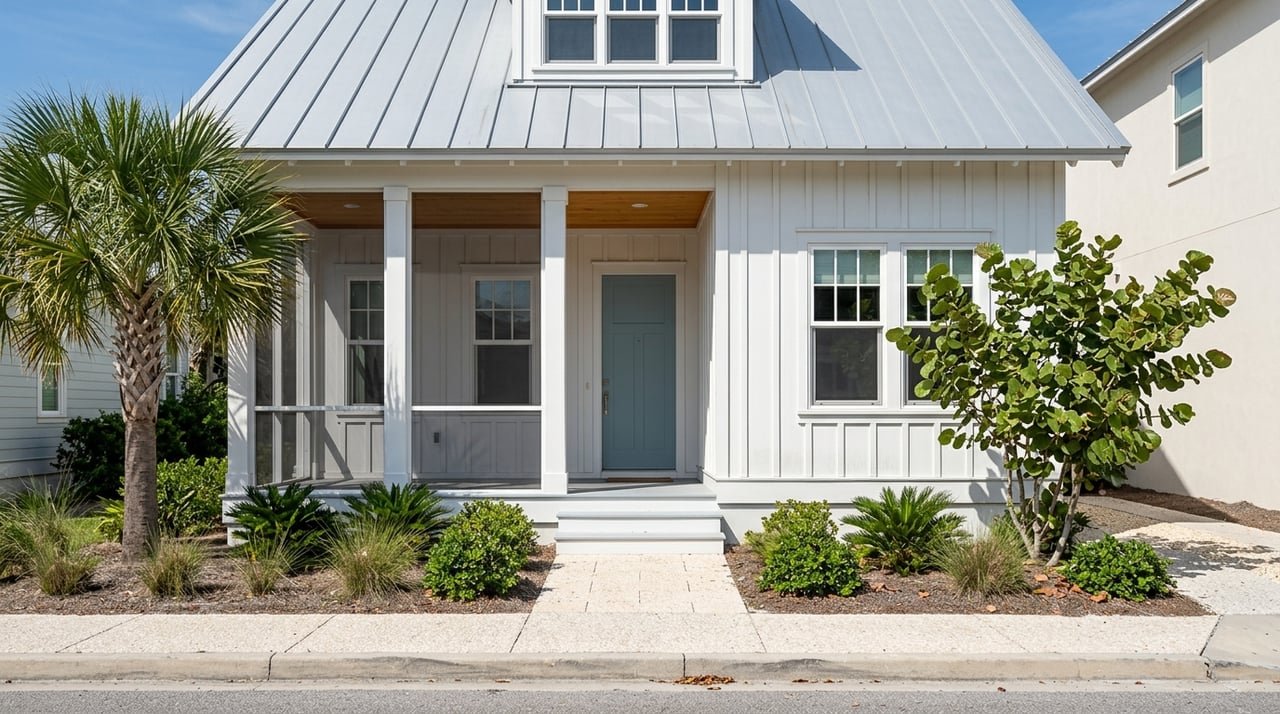
Picture yourself starting the day with a quiet walk to the Flagler Beach Pier, coffee in hand, or instead waking to panoramic ocean views from a sleek terrace with room to entertain. Both paths lead to the same shoreline, yet they deliver very different ways to live. If you are choosing between an Old Florida cottage and a modern beach home, you want more than pretty photos. You need a clear sense of lifestyle tradeoffs, ownership costs, and local rules that shape day-to-day living. This guide breaks it down so you can choose with confidence. Let’s dive in.
Old Florida cottage: charm and walkability
Look and feel
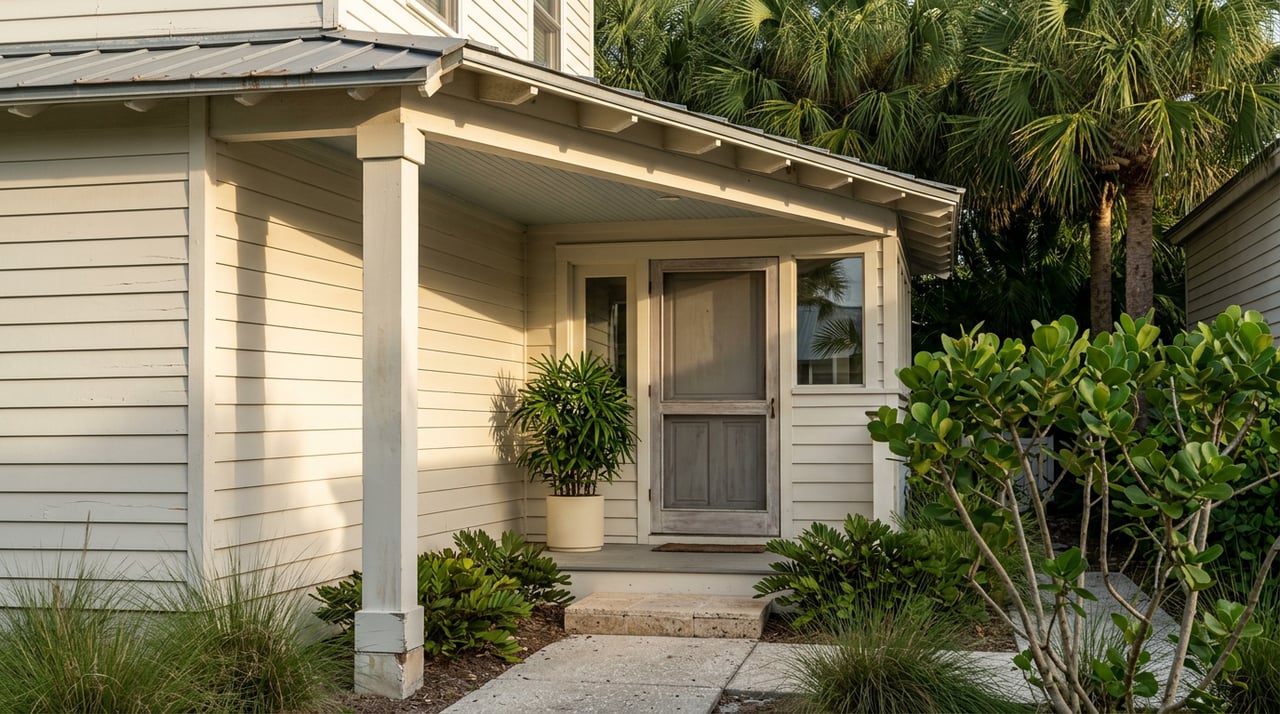
Old Florida cottages are part of Flagler Beach’s historic fabric. You will see cozy, wood-frame bungalows with porches, shiplap or wood siding, and simple floor plans. Many line the streets near the pier and downtown, where the town’s small-scale character stands out. For a sense of that classic vibe, explore this overview of Flagler Beach’s cottage-forward streetscape on Florida Rambler.
Where you find them and why it matters
Cottages tend to cluster within a short walk of restaurants, shops, and the pier. The city is compact, and proximity to the core can shape your routine from day one. Ongoing projects around the pier area influence parking and walkability, so it helps to keep tabs on local updates reported in coverage of the new Flagler Beach pier.
Maintenance and insurance realities
Older wood construction and salty air mean you should expect regular exterior upkeep. Paint cycles are shorter, exposed fasteners can corrode, and porch screens and trim need attention. Coastal contractors note that salt accelerates metal corrosion on roofs and fixtures, which is why proactive care matters, as explained in this coastal corrosion primer.
Florida is also termite country. A cautious plan includes inspections, species identification, and preventative treatments supported by UF/IFAS guidance on termites. For insurance, many older homes require a 4-Point inspection and wind-mitigation documentation. The state’s wind mitigation resources and Citizens overview of inspections and discounts outline how features like roof-to-wall connections and opening protection can reduce premiums.
Modern beach home: space and resilience
Design and construction
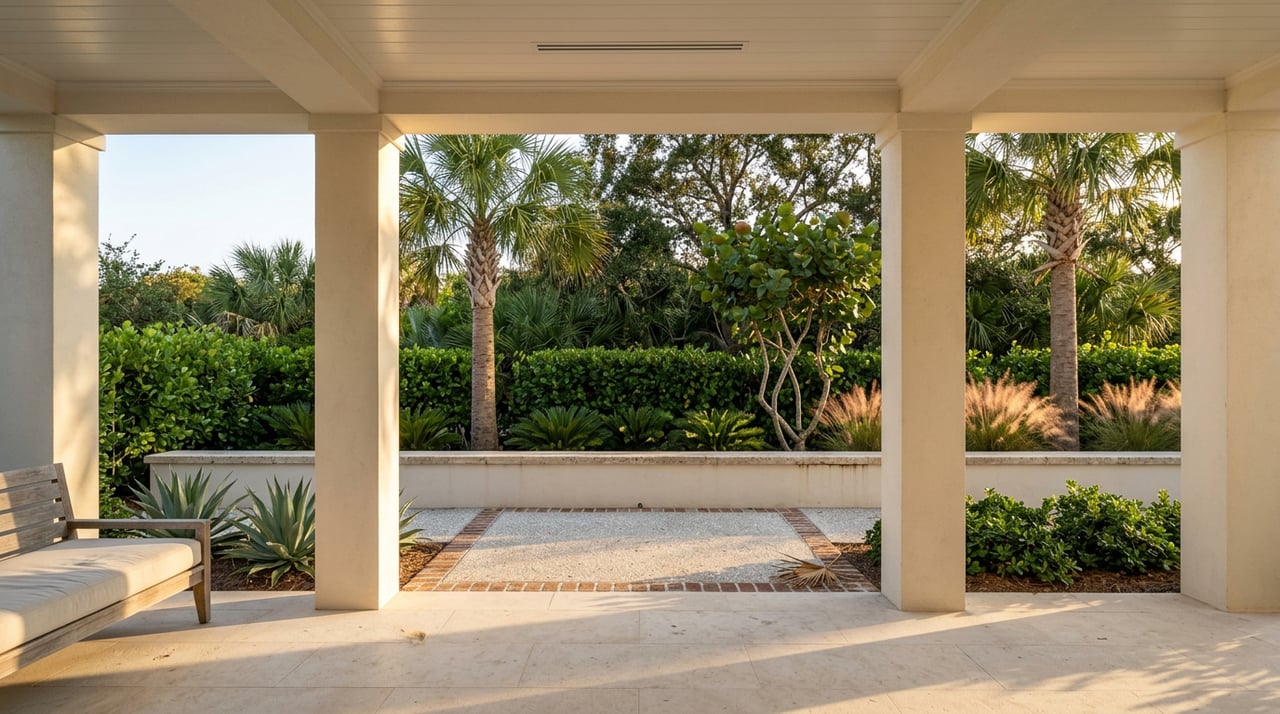
Newer coastal homes in Flagler Beach are often larger, with open layouts, big sliders, and outdoor living areas. Many are built with concrete block, impact-rated glazing or approved shutters, and elevated foundations to address storm risk. These elements align with statewide code requirements for wind-borne debris regions set by the Florida Building Code.
Ownership experience
Durable materials and modern systems typically mean fewer near-term repairs. Impact windows, fiber-cement or masonry exteriors, and updated roofs can extend maintenance cycles. You still need coastal-grade upkeep for sealants and exposed metals, but it is generally less frequent than with older wood cottages. Because these homes are built to newer codes, they often qualify for stronger wind-mitigation credits. Review the Florida OIR wind mitigation guidance and the Citizens discount framework to understand what documentation to request.
Lifestyle tradeoffs
Modern builds tend to offer more privacy, storage, and amenities like pools or rooftop decks. The tradeoff can be distance from the most walkable downtown blocks. If daily strolls to the pier and frequent restaurant nights matter most, weigh whether extra space or location is your top filter.
Cost and risk you should model
Insurance and wind credits
In coastal Flagler Beach, wind and flood factors drive long-term costs. Ask for the wind-mitigation report and roof age, then verify roof-to-wall connections, opening protection, and secondary water resistance. The state’s wind-mitigation resources explain how credits are assessed, and Citizens’ guidance shows what inspectors document.
Flood zones and elevation
If a property sits in a Special Flood Hazard Area, lenders commonly require flood insurance. Confirm the FEMA zone, base flood elevation, and whether an Elevation Certificate exists. The city’s flood insurance page links to local flood information, FIRMs, and elevation resources so you can check the property’s specifics early.
Coastal maintenance line items
Plan for coastal wear regardless of age. For cottages, budget more frequent exterior paint, wood repair, and termite protection supported by UF/IFAS termite best practices. For modern homes, set a schedule to inspect sealants, clean metals, and address surface corrosion. This coastal corrosion explainer highlights why salt management and material choice matter.
Projects and shoreline management
Beach and dune work can influence access and long-term resilience. Ask about nearby renourishment schedules and dune management. The USACE Flagler County Coastal Storm Risk Management Project provides helpful context for ongoing shoreline efforts.
Short-term rentals: know the rules
If rental income is part of your plan, verify eligibility first. Flagler Beach requires registration and has updated its inspection approach for certain resort dwellings. Review the city’s short-term rental application and guidance and confirm zoning and certificate status before you rely on projected income.
Quick side-by-side checklist
Budget now vs later
- Cottage: Often lower entry price but plan for roof, systems, paint, and termite work.
- Modern: Higher purchase price with fewer near-term repairs and potential insurance credits.
Insurance and flood
- Cottage: Request a 4-Point and wind-mitigation reports early. Confirm FEMA zone and elevation.
- Modern: Expect better wind credits if built to recent code. Flood policy depends on location and elevation.
Maintenance tolerance
- Cottage: Frequent exterior paint and wood care, termite prevention, porch and siding upkeep.
- Modern: Longer cycles but still manage sealants, metals, and salt exposure.
Lifestyle priorities
- Cottage: Walk-to-pier living, local character, smaller footprint.
- Modern: Space, privacy, views, and amenities, often set a bit farther from the downtown core.
How to size up a listing fast
- Verify the basics: year built, square footage, roof age, lot size, and recent permits. Ask for the wind-mitigation and 4-Point reports.
- Check flood info: note the FEMA zone, base flood elevation, and whether an Elevation Certificate is on file.
- Walk the block: compare setbacks, siding type, window protection, drainage, and evidence of recent exterior maintenance.
- If you plan to rent: confirm short-term rental registration status with the city and ask about inspection history.
Which one fits your Flagler Beach life
If you crave porch conversations and quick walks to the pier, a cottage near the town core may feel just right. If you want larger spaces, modern systems, and private outdoor amenities, a newer coastal home can deliver comfort with fewer early projects. Either way, you will want a clear read on flood, wind mitigation, and maintenance before you write an offer.
If you would like tailored guidance and a private plan for tours, insurance diligence, and off-market opportunities, connect with The Cook Group Luxury Real Estate. We will help you compare options, model true ownership costs, and move at your pace.
FAQs
What is an Old Florida cottage in Flagler Beach?
- A compact, often wood-frame bungalow with porches and simple layouts, typically near the pier and downtown for strong walkability and local character.
How do flood zones affect a Flagler Beach purchase?
- Properties in Special Flood Hazard Areas often require flood insurance; confirm FEMA zone, elevation, and certificates using the city’s flood resources.
Will a newer home lower my insurance premium?
- Many newer homes qualify for better wind-mitigation credits thanks to code-built features; review state wind mitigation guidance and ask for the inspection report.
What coastal maintenance should I expect?
- Plan for faster corrosion and wear from salt air; cottages need more frequent paint and wood care, and all homes benefit from termite prevention per UF/IFAS.
Can I use a Flagler Beach home as a vacation rental?
- The city requires registration and specific inspections; verify eligibility and review the short-term rental application before relying on rental income.
Do beach projects impact property decisions?
- Yes. Ask about nearby dune and beach work timelines; the USACE project page explains long-term shoreline efforts that can influence risk and access.