Do you picture sunrise strolls to the surf or sunset cruises on the river? In New Smyrna Beach, your answer usually points you to the beachside barrier island or the mainland along the Indian River. Both offer great condo living, but the lifestyle, carrying costs, and ownership rules can feel very different. This guide maps the tradeoffs so you can choose with confidence. Let’s dive in.
Beachside vs. mainland: quick map
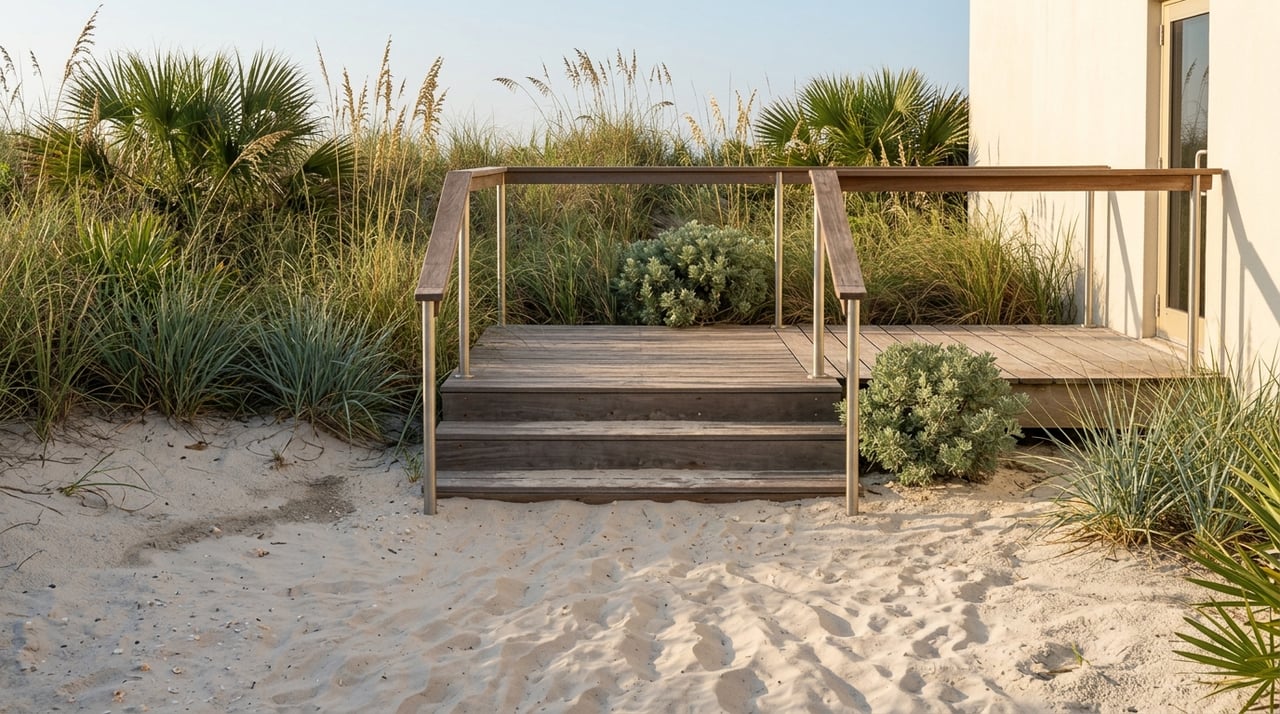
The beachside sits on the Atlantic-facing barrier island along A1A and Flagler Avenue, the iconic five-block dining and retail strip that ends at the sand. It is home to oceanfront towers, surf culture, and walkable beach parks. Get a feel for the shoreline and public access points by exploring the area’s official beach guide on the New Smyrna Beach visitor site.
The mainland lies west of the Intracoastal/Indian River and includes the Canal Street/Riverside Drive corridor and master-planned communities such as Venetian Bay. You will find boating access, golf, and a wider mix of condo and townhome options. For a snapshot of one of the area’s largest planned communities, review the Venetian Bay community overview.
Beachside pace
If you want daily beach steps and a short walk to Flagler Avenue cafes and shops, beachside living fits well. Expect quick access to beach parks and pathways, with some drive-on beach zones managed by the city and visitors bureau for convenience and parking. You may drive over the causeway for full-size grocery runs or larger errands, then return to a relaxed, coastal routine. The visitor beach page outlines access points and beach-use logistics.
Mainland rhythm
Mainland residents typically enjoy easier access to marinas, boat ramps, medical services, and large-format shopping. Communities like Venetian Bay add golf, club-style pools, and a small town center, creating a self-contained feel with simple car-based errands. Evenings tend to be quieter away from the Flagler Avenue visitor energy, with quick drives across the causeway when you want the beach.
Condo styles and amenities
Beachside buildings
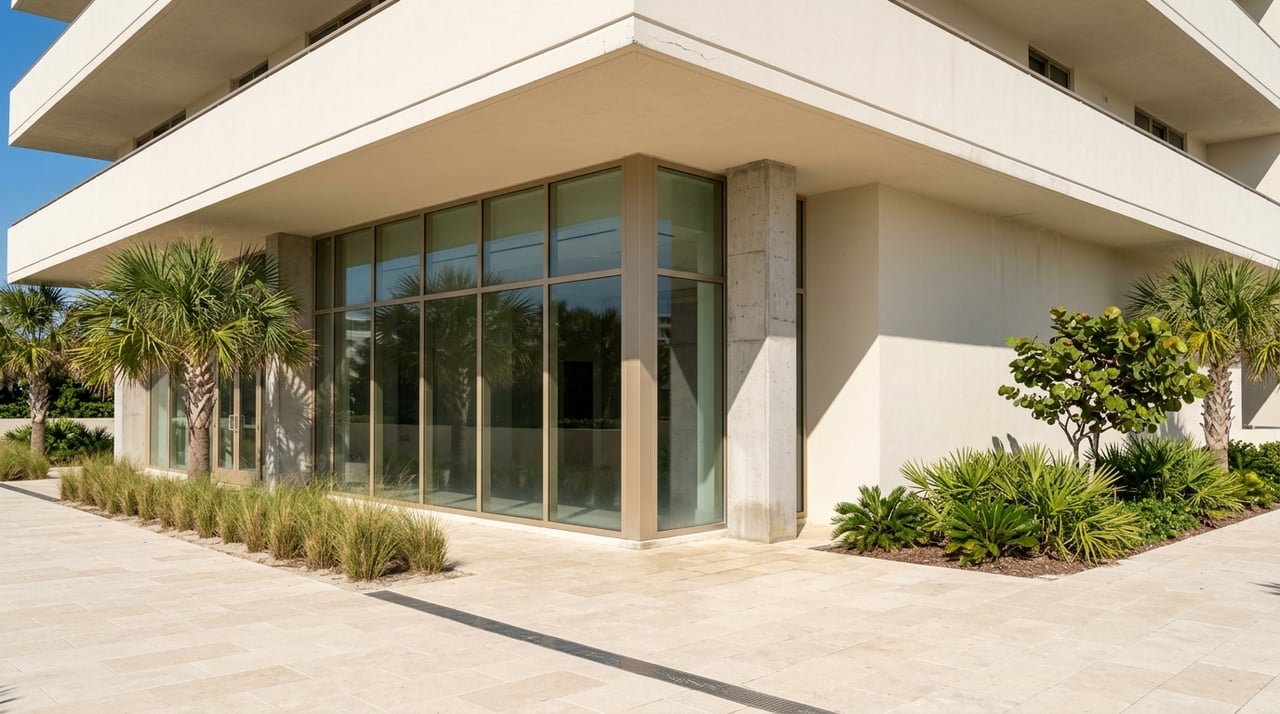
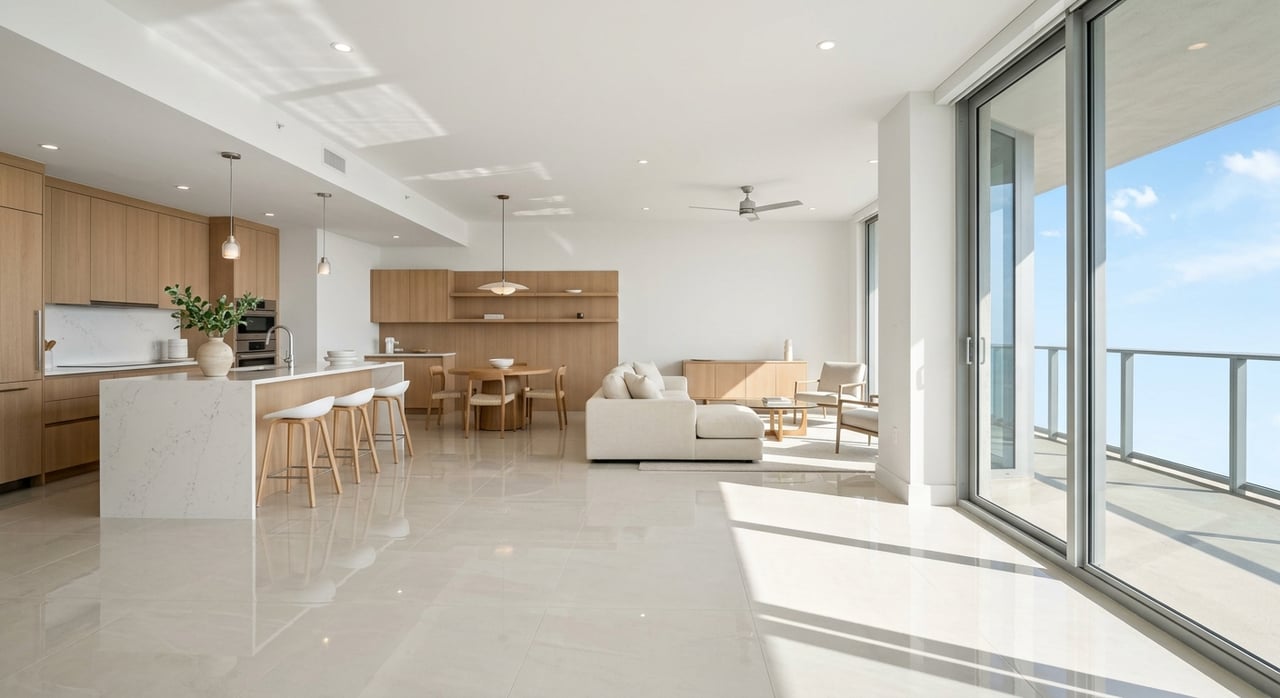
Beachside inventory ranges from high-rise oceanfront towers to mid-rise and low-rise complexes, many built across the 1970s and 1980s with later renovations. Typical amenities include direct beach access, ocean-view balconies, heated pools and spas, elevators, and covered or secure parking. Some buildings have on-site management or rental desks, which can help if you plan seasonal or short-term stays where permitted.
Mainland options
On the mainland, you will see a mix of condominium complexes, gated townhomes, golf villas, and newer construction clusters. Amenities often prioritize community pools, golf, tennis or pickleball, and neighborhood retail in planned communities. Along canals and the river, some buildings or neighborhoods offer small private docks or shared slips.
Cost factors you must model
Purchase price and HOA ranges
Beachside typically commands a premium over mainland options due to ocean proximity and view corridors. Monthly association dues vary widely by building age, size, amenities, and insurance allocations. As a planning range, oceanfront towers often show HOA or common charges around the high hundreds to more than 1,000 dollars per month, while simpler low-rise buildings can range in the mid hundreds. Many mainland townhomes and condo communities often show lower dues that can sit roughly in the double to low triple digits, especially when amenities and master insurance obligations are lighter. Always confirm the exact budget and what it covers before you compare options.
Flood zones and insurance impact
Flood risk differs across NSB and can materially change ownership cost. Many beachside parcels fall in FEMA AE or VE zones, where storm surge and wave action risk is higher. Mainland parcels can span AE, X, or canal-front AE zones. The City’s flood-protection page links to official FEMA maps and guidance; start with the City of New Smyrna Beach flood information to identify a property’s zone and elevation.
Insurance pricing reflects this risk. Regional examples show VE properties often carry the highest flood premiums, with AE next and Zone X the lowest. For high-risk coastal properties, flood coverage can reach several thousand dollars per year and sometimes more, while inland Zone X properties are often lower. For context on how premiums scale by zone and building type, review this Florida flood insurance overview. If you are buying a condo, ask whether the association carries a master flood policy (RCBAP), how deductibles work, and whether your floor level changes your individual coverage needs.
Building safety, reserves, and assessments
Florida requires a structural milestone inspection for condominium and co-op buildings that are three or more habitable stories once they reach 30 years old, with subsequent inspections every 10 years. Coastal localities may require earlier timelines. Read the statute for details on scope and phases at the Florida Senate site. For any older building, especially oceanfront towers, you should review the latest milestone inspection or recertification status, any Phase 2 findings, the reserve study, recent association minutes, and plans for capital projects. These documents help you gauge future special-assessment risk and maintenance posture.
Short-term rentals vs. seasonal use
Short-term rentals are not allowed everywhere in NSB. The city permits them only in specific zoning districts, with many mainland residential areas prohibiting STRs. Start with a high-level overview of zoning patterns using this New Smyrna Beach STR regulations summary. Then confirm details directly with the city and your association’s bylaws, which may impose longer lease minimums.
If you plan to operate an STR, you will also need the appropriate state lodging license through Florida’s Department of Business and Professional Regulation and local tax registrations. Begin the licensing process at Florida DBPR, and budget for both state and local taxes that apply to transient rentals. Many owners find that beachside units in STR-eligible zones can outperform on nightly rates and seasonal occupancy. Balance that with potentially higher HOA dues, insurance, and regulatory compliance costs when you evaluate returns.
Choose your fit: a quick decision map
- You want daily surf, sunrise beach walks, and walk-to-Flagler dining: lean beachside. Expect higher purchase price, potentially higher HOA dues in full-amenity towers, and higher flood/insurance exposure.
- You want boating access, golf and club-style amenities, and simpler errands: lean mainland communities like Venetian Bay and canal-side areas. Insurance and HOA exposure may be lower on average, but confirm exact flood zones and association budgets.
- You plan to operate short-term rentals: first confirm city zoning, state DBPR eligibility, and the condo’s lease rules before you write an offer. Many associations limit or prohibit short-term leases even in permissive zones.
- You want the most cost-efficient carry: inland mainland properties often balance lower risk profiles with simpler amenity packages. Verify flood zone, association reserves and what the dues include.
- You are sensitive to assessment risk: for buildings 25 to 40-plus years old, prioritize current milestone inspection status, reserve studies, and any planned capital projects before committing.
What to verify before you write an offer
- Flood zone and elevation. Use the City’s resources and FEMA maps to confirm the parcel’s zone and whether letters of map change apply. Start here: City flood information.
- Association financials and reserves. Request the full budget, latest reserve study, insurance summaries, and recent board minutes.
- Master insurance coverage. Clarify wind and flood coverage, deductibles, and unit owner responsibilities.
- Milestone inspection status. For three-story and taller buildings, obtain the Phase 1 and any Phase 2 reports plus repair timelines. Reference the Florida milestone inspection statute.
- Rental rules and licensing path. Confirm minimum lease terms, STR permissions, and state licensing steps via Florida DBPR.
- True monthly carry. Build a line-by-line estimate for HOA dues, insurance, property taxes, utilities, and any club or recreational fees.
A calmer way to your best-fit condo
Choosing between beachside and mainland in New Smyrna Beach comes down to your daily rhythm, your tolerance for coastal risk, and how you plan to use the property. With three decades of east Volusia market experience and a private, concierge approach, our team helps you compare buildings apples-to-apples, source association and inspection documents, and negotiate with clarity. When you are ready for a quieter, more confident search, connect with The Cook Group Luxury Real Estate to schedule a Private Consultation.
FAQs
What is the core difference between beachside and mainland condos in New Smyrna Beach?
- Beachside condos sit on the Atlantic barrier island near Flagler Avenue and the beach, offering walkability and ocean views, while mainland options cluster along the Indian River and inland communities with easier access to boating, golf, and larger shopping.
How do flood zones in NSB affect condo ownership costs?
- Units in AE or VE zones typically face higher flood risk and premiums, while Zone X is lower; verify a property’s exact flood zone and elevation using the City’s flood information resources and ask whether the building carries a master flood policy.
Are short-term rentals allowed in all New Smyrna Beach condos?
- No; STRs are allowed only in certain city zoning districts and may be restricted by condo bylaws, so confirm zoning, association rules, and state licensing requirements through Florida DBPR before you buy.
What are typical HOA dues for beachside vs. mainland condos?
- Ranges vary widely; oceanfront towers often run in the high hundreds to more than 1,000 dollars per month, while simpler beachside low-rises can be mid hundreds and many mainland communities often fall in the double to low triple digits, depending on amenities and insurance.
What is Florida’s condo milestone inspection and why does it matter in NSB?
- It is a required structural inspection for buildings three or more habitable stories at 30 years and every 10 years thereafter; reviewing recent reports and any repair plans helps you understand future assessment risk, as outlined in the state statute.
Where can I learn about NSB beach access and drive-on areas?
- The official visitor site provides current details on beach access points, parking, and use guidelines; start with the beaches overview.