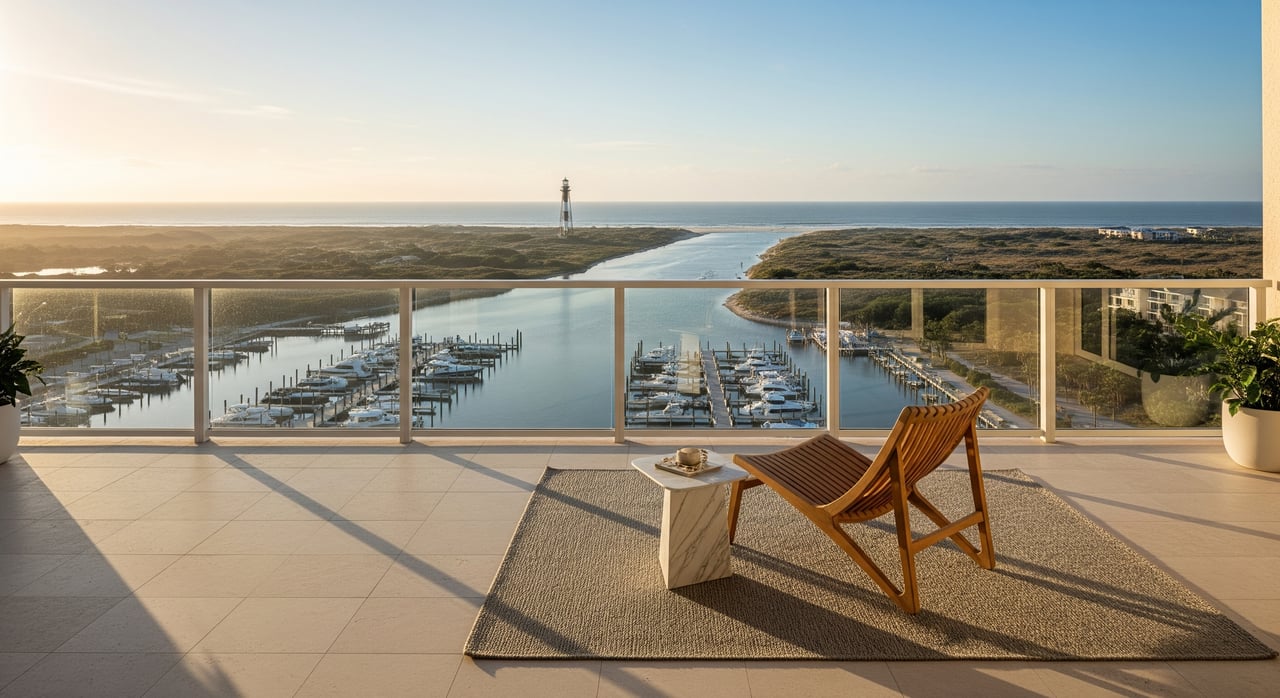
Is the view from your condo worth five stories of stairs and a higher price tag, or could a lower floor with a river panorama deliver better value? If you are weighing Ponce Inlet condos, you are likely comparing views, floor levels, and how those factors show up in both the list price and the long-term return. You want clarity before you commit. In this guide, you will learn how view type and floor height typically influence pricing in Ponce Inlet, the documents to review, and the smart steps to value a unit accurately. Let’s dive in.
How view shapes price
Common view tiers in Ponce Inlet
- Direct oceanfront view with unobstructed Atlantic sightlines.
- Partial or angled ocean view that may include dunes or neighboring buildings.
- Intracoastal or Halifax River view, often attractive for boating and sunset scenery.
- Marina, inlet, or jetty view, prized by boating enthusiasts.
- Park, preserve, or natural view, a quiet, green outlook.
- Street or parking view, typically the entry point on price.
Why views add value
- Daily utility. Light, scenery, and privacy improve your experience.
- Scarcity. Unobstructed ocean and durable water views are limited in number.
- Income potential. Where rentals are allowed, better views can support stronger nightly rates.
- Durability. Higher, unobstructed views are less likely to be blocked by future development in many buildings.
There is no single percentage that applies to every building. In practice, top-tier oceanfront units command a meaningful premium over units without a view, and partial views tend to carry smaller premiums. The most reliable way to quantify value is to use recent closed sales in the same building or immediate area.
Ocean vs. river vs. marina views
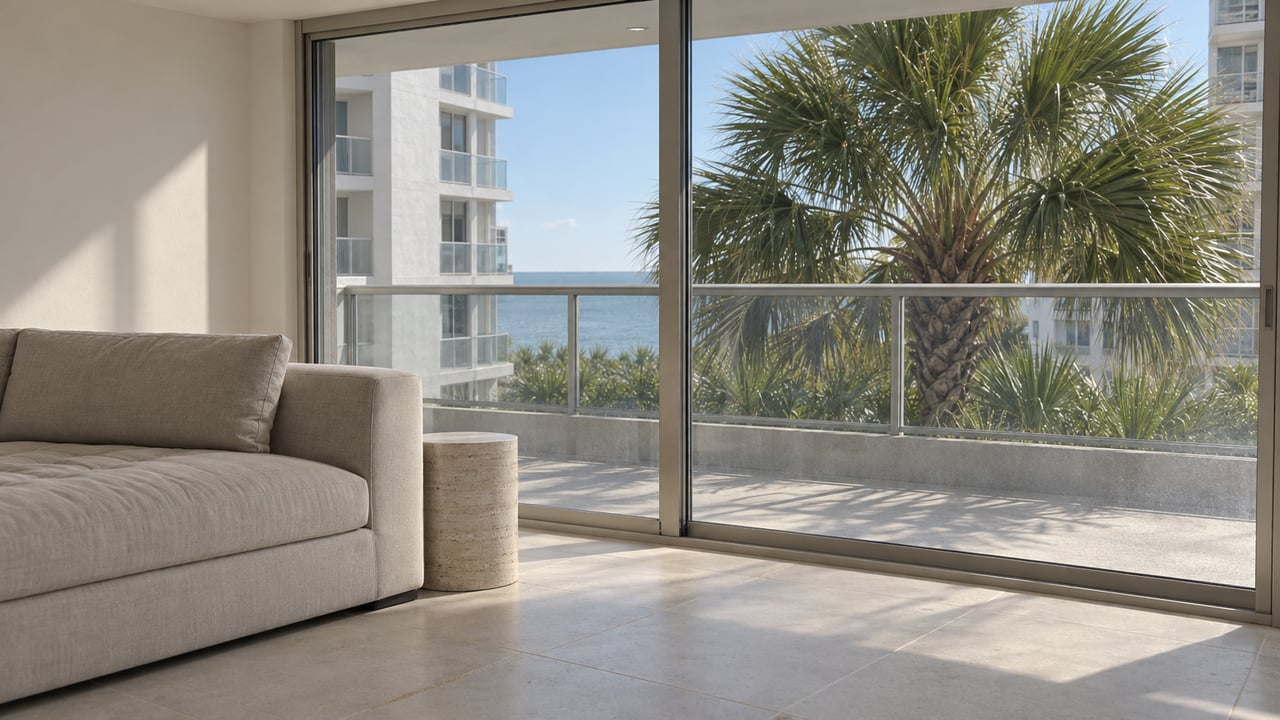
Ponce Inlet sits between the Atlantic and the Halifax River. Many buildings angle to capture both, and some units favor sunrise ocean vistas while others deliver sunset river views. Oceanfront units typically lead on price due to uninterrupted shoreline views and beach proximity. River, harbor, or inlet views can run close in value in buildings and locations that emphasize boating access and marina life.
Orientation matters. East-facing units capture the ocean head-on. Southeast or northeast exposures can shift you to a partial ocean view that still feels open but may affect pricing. On the river side, corner lines with broader sightlines often trade stronger than interior lines with narrower angles. Compare like-for-like lines and floors whenever possible.
If you are choosing between a lower-floor direct ocean view and a higher-floor partial or river view, the best value depends on your lifestyle. Beachgoers may pay up for direct ocean, while boaters and sunset seekers may prefer the river. Let the comps do the talking, and control for orientation, floor, size, and condition.
Floor height: what changes
Benefits of higher floors
- Less obstruction and better views, especially on ocean and river exposures.
- Reduced street noise and increased privacy, which can improve daily comfort.
- More natural light, often a priority in coastal living.
- Perceived flood safety, since finished floors higher above grade can reduce unit exposure.
When higher is not better
- Elevator dependency. If elevators are slow or unreliable, demand may tilt to mid-level floors.
- Special assessments or roof proximity. Top floors can be affected by roof or exterior projects.
- Exposure and maintenance. Upper floors may face stronger winds; hurricane protection and window type matter.
- Balcony differences. Some top floors have different outdoor space. Always confirm balcony size and usability by line.
Higher floors often resell faster when the view is truly superior and durable. When the view advantage is minor, convenience factors can put mid-level units in a stronger position.
Flood, wind, and insurance factors
Elevation, BFE, and flood zones
In a coastal town like Ponce Inlet, flood zone and elevation details are material to both value and insurability. The key items are the building’s flood zone, Base Flood Elevation, and any elevation certificate that confirms whether the unit’s finished floor sits above that benchmark. In condominium properties, the master policy may cover the structure, while your individual policy covers interior contents and improvements. Review the association’s insurance declarations and any elevation documentation before you finalize pricing.
Wind and storm protection
Higher floors may experience stronger winds during storms. Look at window and door specs, presence of impact glass or shutters, and any history of building envelope updates. These factors influence buyer confidence and can affect both resale and insurance conversations.
Rental and resale dynamics
Where short-term rentals are allowed, high floors with strong views often command better nightly rates. That said, rental performance depends on the building’s rental rules, the seasonality of demand, and overall property condition. In Ponce Inlet, buyer and renter interest commonly rises from fall through spring, when seasonal residents plan winter stays.
For resale, units with unobstructed, durable views and well-documented building health tend to enjoy stronger liquidity. If a view can be blocked by nearby development or vegetation growth, buyers may discount future risk.
How to price your unit
Use a structured approach to separate view and floor effects from everything else.
Start with same-building closed sales. Prioritize the same line and exposure. Adjust for floor height and orientation first, then interior condition and square footage.
Account for non-view factors. Balance HOA fees, special assessments, insurance allocations, parking or garage spaces, storage, balcony size, and amenities. Rental policy and minimum lease periods can influence both buyer demand and investor pricing.
Document flood and insurance details. Confirm flood zone, any elevation certificate, and the condo master policy. Buyers will ask, and clear answers support value.
Position the view. Use precise language such as “unobstructed Atlantic Ocean view” or “wide Halifax River view” to set expectations. Avoid vague phrasing that can create doubt.
Market the experience. High-floor ocean units should highlight privacy, horizon line, and natural light. River and marina units should emphasize sunsets and boating access, where relevant to the building.
Monitor actives and pendings. Today’s buyers scan both closed comps and current competition. Use both to keep price aligned with the market.
How to shop smarter as a buyer
Set your view priority. Decide whether direct ocean, river, or a mix matters most. Rank your preferences before you tour.
Check orientation by line. Ask for a stack map. Lines can vary greatly in sightlines even on the same floor.
Test elevator comfort. Ride the elevator at busy times. If you plan frequent in-and-out trips, convenience matters.
Verify HOA rules and fees. Understand what monthly dues include, rental rules, recent or pending assessments, and reserve strength.
Confirm flood and insurance details. Ask for the association’s insurance declarations and any elevation certificate. Share with your lender and insurance agent early.
Assess storm protection. Note window type, shutters, and any recent building envelope work.
Inspect balcony and storage. Size, wind exposure, and storage access impact livability.
Compare same-building comps. Control for floor, orientation, and interior upgrades. Let the data guide your offer.
Think long-term. Consider whether your view is durable and whether future projects nearby could change it.
Quick comp checklist
When you or your agent pull comps, gather these details:
- Sale price and date
- Unit floor number and exact orientation (compass exposure)
- Precise view description (unobstructed ocean, partial ocean, river, marina, park, street)
- Square footage and bed/bath count
- Interior condition and renovation history
- Balcony presence and size
- HOA monthly fees and inclusions
- Parking or garage spaces and storage units
- Building age, elevator count, and recent capital projects
- Flood zone, Base Flood Elevation, and elevation certificate availability
- Rental policy and minimum lease terms
- Insurance history and any recent special assessments
Timing and seasonality
Buyer interest in Ponce Inlet often rises from fall through spring as seasonal and second-home buyers plan winter use. Sellers listing into this period may see broader exposure and faster feedback. Buyers shopping in peak months should be ready with financing and insurance quotes so they can act quickly when the right view and floor combination appears. In quieter summer months, motivated sellers sometimes entertain more negotiation.
Work with a local expert
Pricing the view and floor correctly is part art, part science. The best outcomes come from precise comp selection, careful review of HOA and insurance documents, and presenting the lifestyle your view delivers. If you want a quiet, concierge approach and data-driven guidance, connect with The Cook Group Luxury Real Estate for a private consultation.
FAQs
How much more is an ocean view condo worth in Ponce Inlet?
- There is no fixed premium; unobstructed oceanfront units typically command a clear premium over non-view or obstructed units, and the most accurate estimate comes from recent closed sales in the same building, adjusted for size, condition, and HOA costs.
Does a higher floor reduce flood risk and insurance costs for condos?
- Being on a higher floor can reduce a unit’s exposure if the finished floor is above the Base Flood Elevation, but master policies, building elevation, and coverage vary, so review elevation certificates and the association’s insurance details to understand the true impact.
Will renters pay more for a high-floor ocean view unit in Ponce Inlet?
- Generally yes, where rentals are permitted; stronger views and higher floors often yield higher nightly rates, but building rental rules, seasonality, and property condition also drive performance.
Do HOA fees change by floor level in Ponce Inlet condos?
- Not typically; dues are usually allocated by unit entitlement or equal shares, though special assessments for capital projects can affect all owners regardless of floor, so always review budgets and reserve studies.
What should sellers highlight for higher-floor or view units?
- Use precise view language, emphasize privacy and natural light, note any elevation or flood advantages if documented, and disclose HOA and insurance details along with amenities such as beach access, parking, storage, or boat slips where applicable.