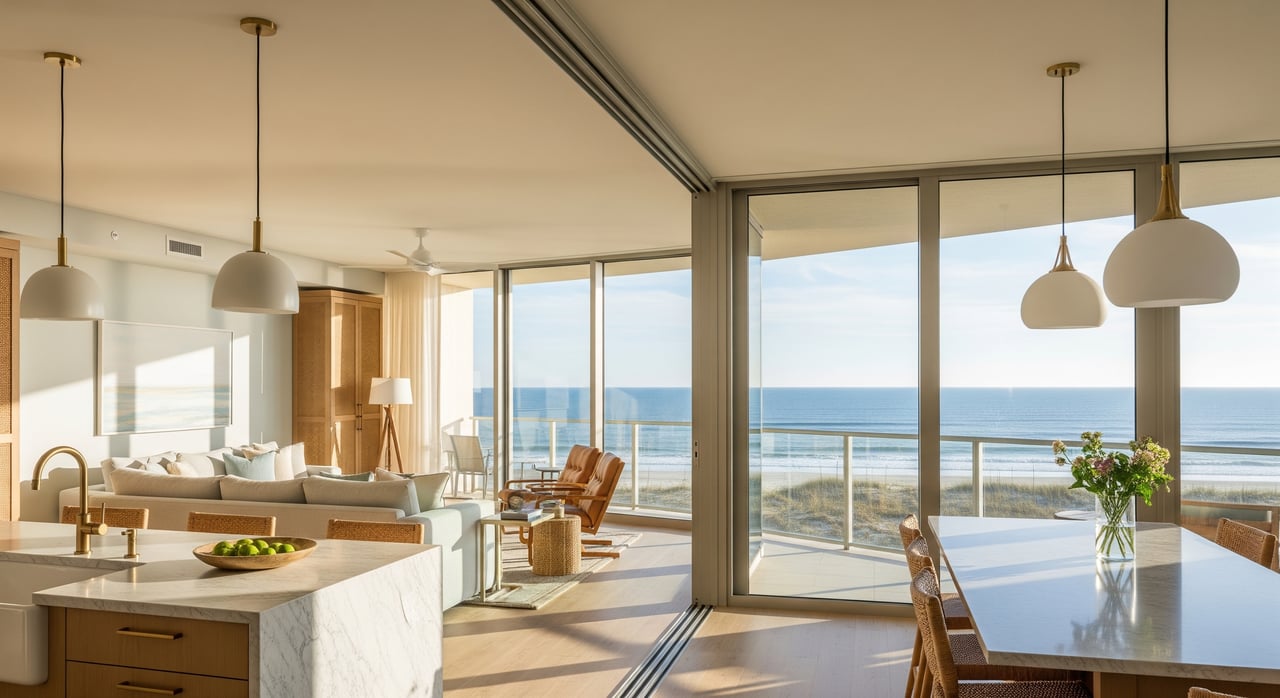
What if your morning coffee came with an Atlantic sunrise and the sound of waves? If you are daydreaming about a second home or a low‑maintenance retreat, an oceanfront condo in Daytona Beach Shores might be on your list. You want a clear picture of the lifestyle, the practical realities, and what to check before you buy. This guide walks you through daily living, seasonality, costs, insurance, rental rules, and a smart due‑diligence checklist so you can move forward with confidence. Let’s dive in.
Daytona Beach Shores overview
Daytona Beach Shores is a compact barrier‑island town along State Road A1A in east Volusia County. Most residences line the ocean or the Intracoastal side, which keeps everything close to the water. The area has a small, mostly residential feel with a tourism‑oriented economy.
You will use a car for many errands. Local stretches of A1A are walkable for the beach, dining, and small shops, but larger supermarkets and some medical services are usually a short drive inland. Daytona Beach International Airport is nearby, and Orlando is about an hour west by car depending on traffic.
Health care access is regional, with hospitals and medical centers located in the greater Daytona area. The town and county coordinate services such as beachfront maintenance, code enforcement, and emergency management.
Daily life in an oceanfront condo
Building types and amenities
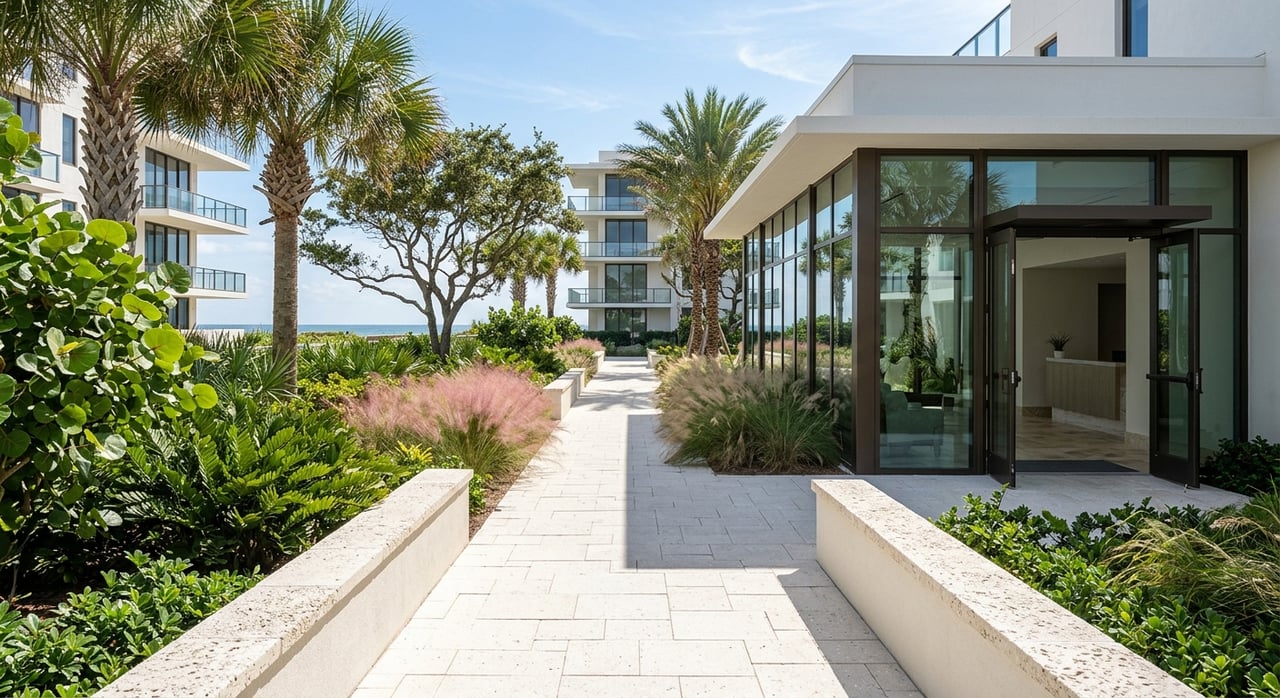
You will find both low‑rise and high‑rise buildings facing the sand. Units often feature balconies or lanais that open to ocean views, open floor plans, and finishes chosen for salt‑air durability such as tile or vinyl flooring. Newer or retrofitted buildings may have hurricane‑rated doors and windows.
Common amenities include direct beach access, heated pools, fitness rooms, community or club spaces, secured parking, storage, and on‑site management. Elevators are standard in taller buildings. Amenity sets and finishes vary widely by building age and price point, so your experience will depend on the specific community you choose.
Morning to evening rhythm
Mornings are for sunrise on the balcony, walking the shore, or a jog along the beachfront paths. Midday, you might split time between the pool and the sand, then cool off indoors. Evenings bring a relaxed social scene. Restaurants and small bars along A1A buzz during high season, and many buildings host casual gatherings in community rooms or at shared grills.
Noise and special events
You will hear the surf and wind, which most owners love. Seasonal tourism can raise ambient noise levels, especially around holidays and regional events. Soundproofing quality varies by building, so it helps to visit at different times of day and year to gauge your comfort level.
Accessibility and low‑maintenance living
Condos are attractive for second‑home owners and retirees because the association handles exterior upkeep. Elevators, on‑site maintenance, and secure entries simplify daily life. If accessibility matters to you, evaluate elevator reliability, unit entry thresholds, and in‑unit layout to ensure everyday comfort.
Seasonality and coastal realities
Seasons and crowds
High season generally runs from November through April, when snowbirds and vacationers boost activity. Restaurants and services stay busier, and rental demand often peaks. Summers are hotter and more humid with frequent afternoon thunderstorms, and pace can ease outside of holiday weeks. Major events in the greater Daytona area can add short‑term traffic and demand.
Hurricane season and planning
Atlantic hurricane season runs from June 1 through November 30, with a peak in late summer and early fall. Newer buildings or those with coastal retrofits often meet higher wind‑resistance standards under the Florida Building Code. Associations typically maintain hurricane and evacuation plans for residents and guests.
Prepare for the possibility of temporary displacement after a storm if utilities are interrupted or if building access is restricted. Review your building’s elevation, construction, and emergency procedures as part of your purchase evaluation.
Beach safety and environment
Atlantic beaches can have rip currents, so check posted flags and seasonal lifeguard coverage. May through October is generally sea turtle nesting season, which brings lighting rules and limits on beach furniture at night. These measures protect wildlife and help preserve the beachfront environment you are coming to enjoy.
Costs, insurance, and ownership
What HOA fees cover
Association fees typically fund building insurance under a master policy, reserves, common utilities, landscaping, elevators and HVAC service, pools, and exterior maintenance. Some buildings include cable or internet. Fees vary based on the age of the building, amenity level, and reserve strategy.
Pay close attention to reserve funding, recent capital projects, and any special assessments. Work such as roof replacement, seawall repair, or parking structure updates can affect both fees and timelines.
Insurance basics for condos
Most oceanfront condo owners carry an HO‑6 policy for the interior of the unit and may need separate flood coverage if required by the building’s flood zone. The association’s master policy usually covers the structure and common elements. In Florida, hurricane deductibles and windstorm coverage can differ from standard policies.
The coastal insurance market has been volatile, and premiums can vary by building and carrier. Obtain building‑specific quotes early in your process, and confirm exactly what the master policy covers versus what you must insure yourself.
Property taxes and ongoing costs
Property taxes are set by Volusia County and local jurisdictions. If this is a second home, exemptions may differ from a primary residence. Confirm current millage rates and how they apply to your ownership profile so you can plan your annual budget.
Renting your condo
Short‑term rentals can be part of your ownership strategy, but rules vary. The town and county may require permits or business tax receipts, and many associations set minimum rental periods, caps on the number of rental units, and registration procedures. Confirm local requirements and your building’s rules in writing before you count on rental income.
Practical buyer checklist
Use this list to focus your due diligence and reduce surprises.
- Documents and rules
- Request bylaws, declarations, rules and regulations, recent meeting minutes, current budget, reserve study, master insurance declarations, and any notices of special assessments.
- Financial health
- Review reserve balances, frequency of special assessments, litigation history, and current delinquency rates on dues.
- Unit inspection
- Order a full inspection that looks for salt‑air corrosion, balcony and lanai condition, window and door seals, HVAC age and service records, and any signs of water intrusion or mold.
- Building systems
- Ask for elevator service logs, roof age and maintenance schedule, pool equipment records, and exterior painting or coating schedules.
- Structure and envelope
- For older buildings, inquire about prior seawall work, spalling concrete repairs, and building‑wide remediation projects.
- Insurance and flood risk
- Obtain HO‑6, wind, and flood quotes specific to the building. Confirm the FEMA flood zone designation and request an elevation certificate if available.
- Lifestyle and operations
- Confirm parking assignments, covered or garage options, guest parking, storage availability, pet policies, guest registration, and elevator access for moving or large deliveries.
- Rentals and compliance
- Verify minimum stay rules, any rental caps, owner registration, and local occupancy tax collection requirements. Understand how the association enforces compliance.
- Local regulations
- Check town and county coastal rules that may affect exterior work, repairs, or rebuilds after storms.
Full‑time vs part‑time living
Barrier‑island living can work well full‑time with planning. You will likely drive for larger errands, and you may want backup plans for power or internet during summer storms. If you enjoy a quieter pace, you may prefer shoulder seasons and summer weekdays, when the beach feels open.
Part‑time owners value the lock‑and‑leave simplicity of condo life. On‑site management, secure entries, and building maintenance reduce time spent on chores so you can maximize your stay.
How The Cook Group supports you
Oceanfront condos are a lifestyle choice with unique tradeoffs. You benefit from seasoned guidance before you write an offer. As a boutique team focused on coastal condominiums in east Volusia County, we help you evaluate buildings, compare amenities and reserves, and understand insurance, maintenance, and rental rules at a practical level. We offer discreet buyer representation, curated tours that fit your timing, and access to on‑ and off‑market opportunities when available. If you plan to sell, our in‑house creative and development‑level marketing elevate presentation and reach.
Ready to refine your plan and see the right buildings up close? Connect with The Cook Group Luxury Real Estate for a private, fiduciary conversation that fits your goals.
The Cook Group Luxury Real Estate | Schedule a Private Consultation
FAQs
What is daily life like year‑round in a Daytona Beach Shores oceanfront condo?
- Expect sunrise walks, pool and beach time, and a relaxed evening scene, with busier periods during winter high season and certain regional events.
How walkable is Daytona Beach Shores for errands and dining?
- Beachfront stretches along A1A are walkable for recreation and casual dining, while larger grocery trips and some medical visits usually require a short drive.
When is hurricane season and how should condo owners prepare?
- Hurricane season runs June 1 through November 30. Review your building’s emergency plan, confirm insurance deductibles, and be ready for temporary access limits after major storms.
What do typical condo association fees cover in oceanfront buildings?
- Fees often include a master insurance policy, reserves, common utilities, landscaping, elevator and HVAC service, pool and exterior upkeep, and sometimes cable or internet.
Can I rent my Daytona Beach Shores oceanfront condo short‑term?
- Rules vary by town and building. Many associations set minimum stays or rental caps, and local permits or registrations may be required, so verify before buying.
What maintenance risks are unique to oceanfront condos?
- Salt‑air corrosion, balcony and lanai wear, window and door seal issues, and elevator maintenance are common focus areas, especially in older buildings.
Is condo living in Daytona Beach Shores suitable for retirees?
- Many retirees value elevators, on‑site maintenance, and proximity to regional medical services. Check accessibility features and elevator reliability in your target building.