What is the real value of your oceanfront condo in Daytona Beach Shores? If you are thinking about selling, buying, or investing, getting price right is the difference between momentum and missed opportunities. You might be weighing view premiums, HOA dues, special assessments, insurance, and rental demand. This guide breaks down what truly moves price here and how to build a clear, defensible number you can trust. Let’s dive in.
What drives price here
Location and orientation
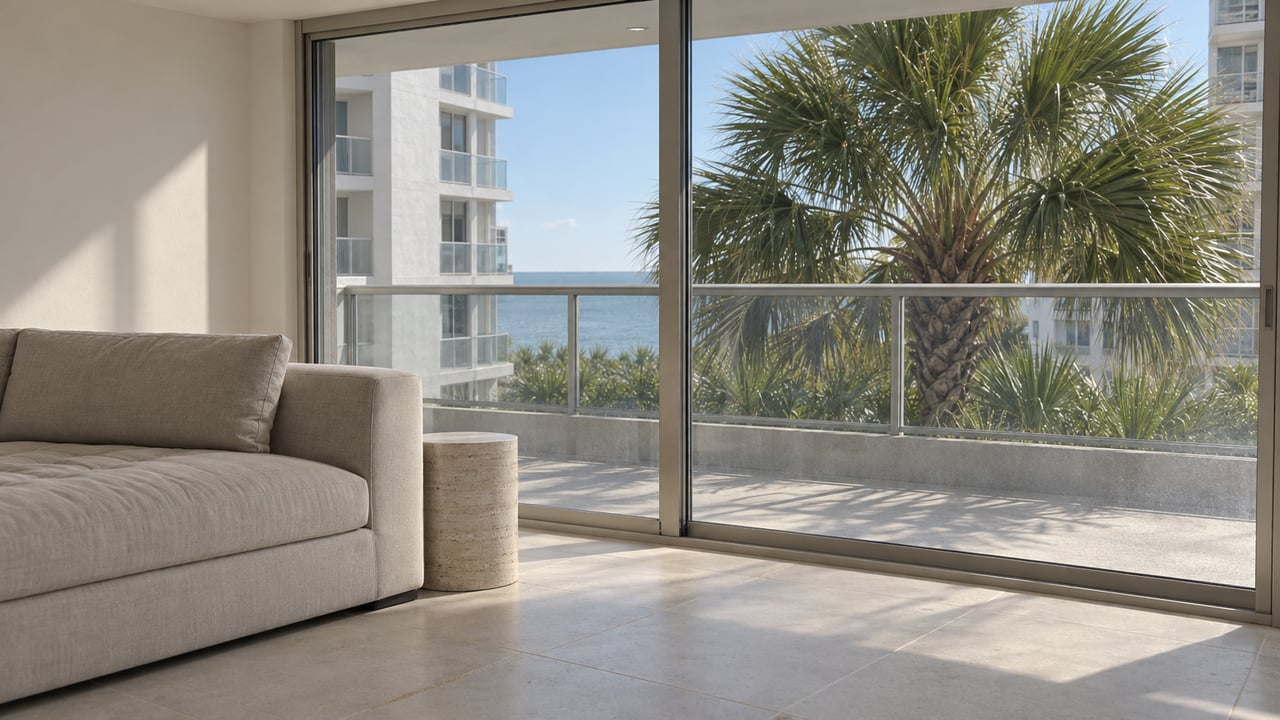
True oceanfront commands a premium over ocean view or near‑beach. Units positioned with unobstructed sightlines and minimal public access between the building and sand often sell higher. Floor level matters for both view quality and noise. Keep an eye on potential future obstructions from adjacent towers that could impact long‑term value.
Unit attributes
Square footage, bedroom and bathroom count, and layout efficiency all influence price. So do upgrades like impact windows and doors, modern kitchens and baths, and new HVAC. Private parking and deeded storage are meaningful in coastal buildings and can separate near‑identical comps.
Building and amenities
Concrete high‑rise construction, reliable elevators, pool and fitness facilities, covered parking, security, and on‑site management add appeal and can support higher prices. Coastal resilience measures, such as seawalls or dune restoration, are increasingly important to buyers.
HOA and reserves
Buyers look closely at monthly dues and what they include. Strong reserves, transparent budgeting, and a clean litigation history support value. Large or likely special assessments reduce effective price and can limit financing. Treat high dues and assessments as pricing headwinds.
Insurance and hazards
Flood zone designation and elevation relative to Base Flood Elevation affect insurance requirements and premiums. Review flood status through the FEMA Flood Map Service Center. For long‑term context on coastal hazards, the NOAA Sea Level Rise Viewer is a useful resource. Historic storm damage and claims history at the building level also matter.
Rentals and rules
Short‑term rental policies shape investor demand. Some associations and local rules restrict or ban short‑term rentals, which narrows the buyer pool. Before pricing with rental income in mind, verify both HOA and local requirements through Daytona Beach Shores city ordinances and the association documents.
Market context
Seasonality in Daytona Beach Shores brings waves of second‑home buyers and visitors, and inventory for true oceanfront can be tight at times. Mortgage rates and condo lending standards also influence buyer power. For current market pace and trends, consult MLS data and recent sales alongside Florida Realtors market reports.
Build a smart pricing plan
Select like‑for‑like comps
Start with your building and immediate neighbors. Prioritize recent closed sales with similar ocean exposure, floor height, square footage, and finish level. Confirm property specifics and sales history in the Volusia County Property Appraiser records. Use active and pending listings to gauge current direction, but lean on sold data for anchor points.
Adjust for key differences
Be explicit about adjustments. Common items include:
- View exposure: true oceanfront vs side or partial view.
- Floor level: premiums often rise with height in view‑centric stacks.
- Outdoor space: size and usability of balconies or enclosed patios.
- Parking and storage: deeded spaces, covered parking, and lockers.
- Condition: remodeled kitchens and baths, impact glazing, systems updates.
- HOA economics: monthly dues and any special assessment obligations.
Documenting these adjustments keeps your price opinion transparent and defensible.
Cross‑check PPSF
Price per square foot is a helpful cross‑check, not the whole story. Ocean exposure, floor level, amenities, and assessments can cause wide swings. Use PPSF to confirm you are in the right band after your line‑item adjustments.
Present an effective price
Buyers evaluate total monthly outlay, not just purchase price. For a clear picture, present effective cost as mortgage plus HOA dues, insurance, and property taxes. On the sell side, show net proceeds with any assessments, likely concessions, and closing costs so you can price with confidence.
Investor view and income math
Estimate rental revenue
If you plan to rent, value the unit using realistic occupancy, seasonality, and average daily rates. Pull data from booking histories, owner statements, or platform snapshots. Be sure your assumption respects HOA and city rules. Transient rental taxes and management fees can materially change net income.
Calculate NOI and yields
Build a simple cash flow that includes HOA dues, insurance, utilities the HOA does not cover, cleaning, management, reserves for wear, and vacancy. Investors often use Gross Rent Multiplier or a cap rate framework to compare options. Use recent investor‑oriented sales to benchmark yields and stress test for seasonality.
Financing realities
Some projects are considered non‑warrantable and may have limited loan options or higher down payment requirements. Government‑backed loans have stricter condo criteria. Lender and insurer project approvals can affect both your buyer pool and pricing power.
Insurance, lending, appraisal checks
Flood and wind insurance
Confirm the building’s flood zone and elevation, and whether the HOA master policy includes flood and wind. Private flood markets may offer alternatives to NFIP. For context on insurance availability and special deductibles in Florida, review Citizens Property Insurance. Unit owners typically need an HO‑6 policy; clarify where the master policy stops and your responsibility begins.
Project warrantability
Lenders review HOA financials, reserves, insurance, and litigation. New state requirements under the Florida Condominium Act (Chapter 718) continue to influence reserve funding and inspection regimes, which can impact dues and assessments. Verify current association status before you list or write offers.
Appraisal variance
With few direct oceanfront comps at times, appraisals can vary. Help the appraiser by providing a clean comp package that highlights view exposure, floor level, upgrades, and HOA economics. If an appraisal comes in low, revisit adjustments for view and assessments using the most relevant sales.
Due diligence checklists
For sellers
- Gather HOA documents: budget, reserves, insurance, meeting minutes, and assessment history.
- Compile receipts and warranties for upgrades such as impact windows and recent remodels.
- Provide insurance estimates for flood and wind so buyers can confirm carrying costs.
- Commission a pre‑listing analysis with oceanfront comps and a clear adjustment grid.
For buyers
- Request HOA declarations, rules, budgets, reserve studies, audits, insurance certificates, minutes, and any litigation or pending assessments.
- Verify flood zone, elevation certificates, and building maintenance history. Check FEMA status via the FEMA Flood Map Service Center.
- Obtain quotes for HO‑6 and flood where applicable. Clarify HOA deductibles and coverage limits.
- Confirm rental rules with both the HOA and Daytona Beach Shores city ordinances before you price in rental income.
- Review recent sales in matching stacks or buildings and note material differences.
Local scenarios to consider
- High‑floor oceanfront vs mid‑floor: The upper stack often earns a view premium, but only if elevators are reliable and balcony usability is similar.
- Remodeled unit vs original finishes: Turnkey units with impact glazing and updated systems usually sell faster and closer to ask, particularly for remote and second‑home buyers.
- Strong amenities vs limited amenities: A building with covered parking, fitness, security, and on‑site management can support higher value, though dues may be higher.
- Healthy reserves vs pending assessments: A well‑funded HOA reduces buyer friction. Large known assessments typically require price adjustments or seller credits.
Your next step
Pricing oceanfront condos in Daytona Beach Shores requires more than a quick PPSF search. When you combine like‑for‑like comps with clear adjustments for view, floor, upgrades, HOA economics, and insurance, you arrive at a number the market will respect. If you want a private, data‑driven pricing plan or a second opinion, connect with The Cook Group Luxury Real Estate for a confidential consultation.
FAQs
How do I quantify an oceanfront view premium in Daytona Beach Shores?
- Compare recent sales of true oceanfront units to side or partial‑view units in the same building or immediate area, then apply the observed difference as a targeted adjustment.
Do higher HOA dues always reduce my condo’s value?
- Not always. If dues fund strong reserves and premium amenities, buyers may accept them. Treat dues and assessments as part of the effective monthly cost when setting price.
How do flood zones affect condo pricing and insurance?
- Flood zones influence insurance requirements and premiums. Verify your status using the FEMA Flood Map Service Center and price accordingly if premiums are materially higher.
What if the condo association has pending litigation or assessments?
- Expect tighter financing and more cautious buyers. Price to reflect the added risk or offer credits if appropriate, and disclose details with current HOA documents.
Can I count short‑term rental income in my valuation?
- Only if your HOA and city rules allow it. Confirm policies with association documents and Daytona Beach Shores city ordinances before using income‑based pricing.
Where can I find official condo rules that may impact pricing?
- Review your association’s governing documents and current state requirements under the Florida Condominium Act (Chapter 718), then confirm any local ordinances with the city.