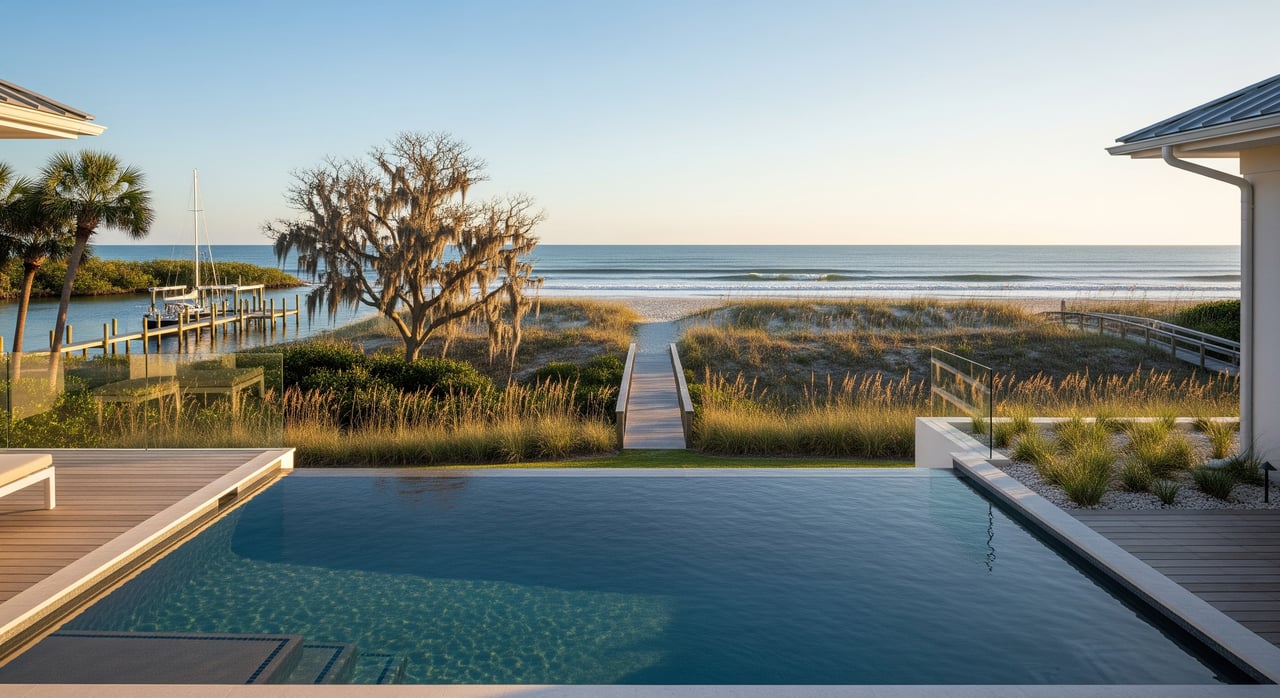
Torn between waking up to the Atlantic and docking a boat out back? You are not alone. Choosing between oceanfront and riverfront in Ormond-by-the-Sea requires more than a view check. You need to weigh lifestyle, risk, permits, insurance, and long-term value.
This guide gives you a clear, local comparison so you can decide with confidence. You will learn how each option performs in storms, what rules apply, what costs to expect, and the exact documents to gather before you write an offer. Let’s dive in.
Where each waterfront lives locally
Ormond-by-the-Sea sits on a slender barrier island on Florida’s Atlantic coast. Oceanfront homes and condos face the beach and dunes. Riverfront options are often nearby along the Halifax River and Tomoka River in the broader Volusia County area. Many buyers compare oceanfront in Ormond-by-the-Sea with riverfront choices just across the bridges on the mainland or along the Intracoastal Waterway.
Two big takeaways:
- The ocean side offers direct beach access and wide-open views.
- The river side offers calmer water, private docks, and a boating lifestyle, often with larger lots on the mainland.
Oceanfront advantages and trade-offs
What you gain
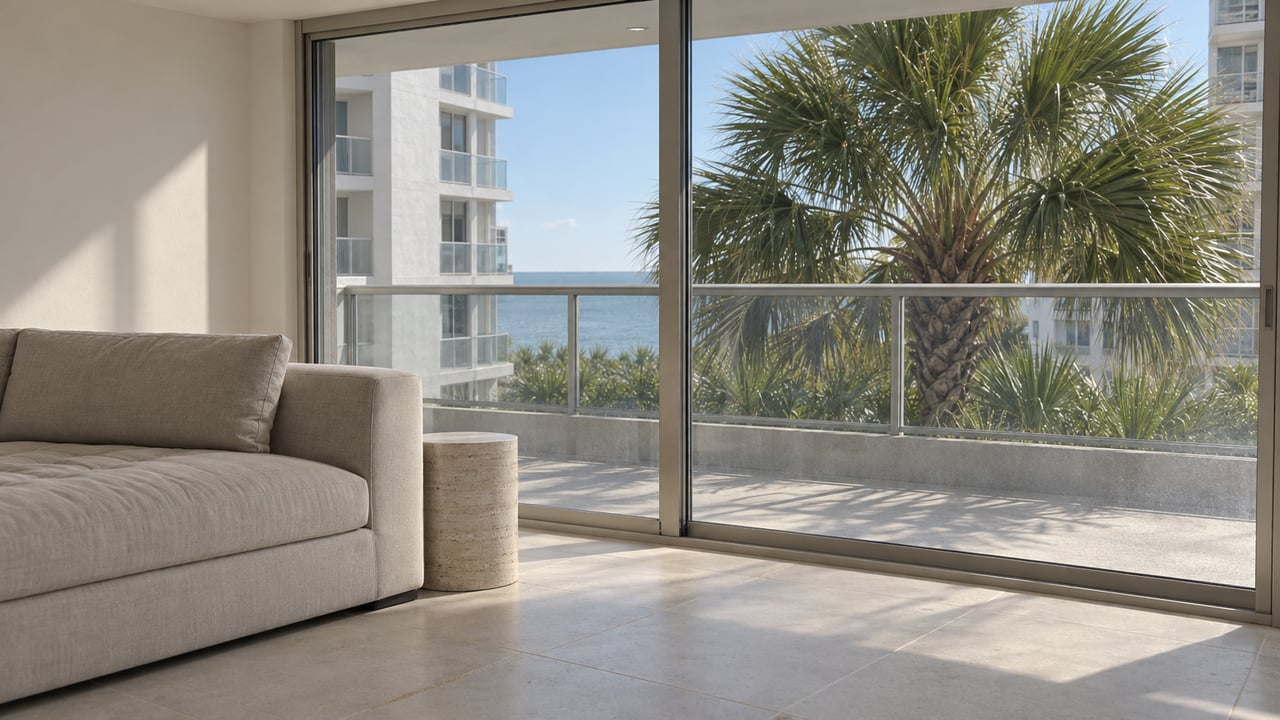
- Unobstructed Atlantic views and immediate beach access.
- Strong prestige and vacation appeal that can support rental demand, subject to local rules and HOA policies.
- A classic coastal experience, from sunrise strolls to seasonal wildlife viewing.
What to plan for
- Exposure to surf, wind, and salt spray that increases wear on windows, doors, HVAC equipment, and exterior finishes.
- Episodic erosion, dune movement, and potential storm overwash during hurricanes or strong nor’easters.
- Seasonal beachfront lighting rules to protect sea turtles. You may need shielded or timed lighting and to limit visible light on the beach during nesting season.
- Stricter coastal permitting near Florida’s Coastal Construction Control Line. Size, elevation, and timing of work can be limited, and shoreline hardening is highly regulated.
Riverfront advantages and trade-offs
What you gain
- Direct boating access to the Halifax River and Intracoastal Waterway, with private docks and lifts where permitted.
- Calmer water that is generally protected from ocean surf, plus good conditions for fishing, kayaking, and paddleboarding.
- Greater privacy in some mainland neighborhoods and less sand and beach maintenance.
What to plan for
- Vulnerability to storm surge and higher-than-normal tidal events, even when surf is calm.
- Maintenance of bulkheads or seawalls, along with dock and lift hardware. Materials face brackish water corrosion.
- Potential wetlands constraints, mosquito pressure in marshy areas, and limits on new fills or structures.
- Boat wake impacts in busy reaches of the river that can affect shoreline and dock wear.
Risk, codes, and permits you should know
Flood zones and elevation
- Many oceanfront and riverfront parcels sit in FEMA AE or VE flood zones. VE zones carry coastal high-hazard standards.
- Base Flood Elevations and required freeboard drive how high the lowest finished floor must sit. Elevated designs and wind-rated construction are common.
- Elevation Certificates are essential for accurate flood insurance quotes and for lenders.
Coastal construction and dunes
- Properties seaward of the Coastal Construction Control Line face strict rules on site work, structure size, and timing. Dune and beach vegetation are protected.
- Beach nourishment and dune restoration can occur and may influence access points and erosion patterns over time.
Docks, lifts, and seawalls
- Docks, boat lifts, and bulkheads usually require permits from multiple agencies. Design should account for sea-level rise and long-term durability.
- Verify that existing shoreline structures are permitted and that permits are transferable when possible.
Insurance and financing basics
- Flood insurance is required by lenders for homes in mapped floodplains. VE-zone premiums are often higher than AE, but elevation, vents, and mitigation can help.
- Windstorm and hurricane coverage is a major owner cost in coastal Florida. Policies can include higher wind deductibles. Availability can shift, and some buyers use the state’s insurer of last resort when private markets tighten.
- To get reliable quotes, provide an Elevation Certificate, recent inspections, roof age, window and door ratings, and any mitigation features. Get estimates early in your search so you can compare ownership costs by property type.
Lifestyle and day-to-day
Privacy and noise
- Oceanfront: public beach access, seasonal visitors, and parking demand can add ambient noise. Night sky lighting may be limited due to wildlife protections.
- Riverfront: generally quieter on land, but boat traffic and wakes vary by location and proximity to marinas or popular routes.
Recreation and access
- Oceanfront: swimming, surfing, beach walks, and sunrise views are at your doorstep.
- Riverfront: boating, fishing, kayaking, and direct ICW access are core to daily life, with calmer water for paddle sports.
Utilities and drainage
- Confirm whether the property is on municipal sewer or a septic system. Some coastal parcels use advanced treatment systems subject to county and state rules.
- Low-lying properties can experience nuisance tidal flooding during king tides or heavy rainfall. Review site drainage during inspections.
Ownership costs to factor in
- Flood and wind insurance premiums and windstorm deductibles.
- Oceanfront: exterior corrosion and HVAC replacement cycles, dune vegetation care, and potential assessments for dune or beach projects.
- Riverfront: seawall or bulkhead repair or replacement, dock and lift maintenance, and shoreline erosion controls where permitted.
- Property management needs if used as a vacation rental, along with compliance with any local rental rules.
Buyer due-diligence checklist
Use this list to shorten surprises and support a clean underwriting process.
Documents and designations
- Current survey and legal description, including any public access easements.
- FEMA FIRM flood zone and an Elevation Certificate, if available.
- Permit history for shoreline structures, additions, and major repairs at the local and state level.
- Insurance claim history and current policy information, if provided.
- Any local rules that apply, including sea turtle lighting, short-term rental requirements, and dune or wetlands protections.
Condition and systems
- Foundation type, floor elevation versus Base Flood Elevation, and wind-rated openings.
- Roofing age and condition, plus signs of previous storm damage or repairs.
- For riverfront: seawall or bulkhead integrity, pilings, docks, boat lifts, and evidence of scour.
- For oceanfront: beach width, dune vegetation, erosion patterns, and access points.
Key questions for sellers
- Has the property had repeated flood or storm claims, and are repairs documented and permitted?
- Are there active or planned beach nourishment or shoreline projects nearby, and any related assessments?
- What permits exist for docks or bulkheads, and are they current or transferable?
Seller preparation checklist
Make your waterfront listing easier to insure and finance by organizing documentation upfront.
Gather
- Recent survey, Elevation Certificate, and any engineering or structural reports.
- Permit files for docks, bulkheads, additions, and major repairs.
- Insurance claim history and current coverage details.
- HOA or community rules that govern rentals, colors, docks, or exterior changes.
Prepare the property
- Service and document HVAC, roof, and window or door ratings.
- Oceanfront: confirm lighting compliance for sea turtle season and note any dune restoration work.
- Riverfront: obtain a seawall or dock inspection and address safety or structural issues in advance.
Position the asset
- Highlight elevation, mitigation features, and compliant shoreline structures.
- Note boating depth, slip length, and lift capacity where applicable.
Which waterfront is right for you
- Choose oceanfront if you value the direct beach experience above all else. Expect higher exposure to wind and salt, plus stricter coastal rules and seasonal lighting limits.
- Choose riverfront if your lifestyle is centered on boating and protected-water access. Plan for seawall and dock upkeep and be mindful of surge and tidal influences.
- Seek balance if you want proximity to both. Consider ocean-side homes set back from the dune or river-access neighborhoods near the Intracoastal that reduce direct surf exposure.
Your next move
Choosing between ocean and river is about aligning lifestyle, risk tolerance, and long-term goals. If you want a calm, expert sounding board and a refined search process, connect with a local team that treats your decision like a bespoke engagement. For a private conversation and curated options suited to how you live, reach out to The Cook Group Luxury Real Estate.
FAQs
What are the main risk differences for oceanfront vs. riverfront in Ormond-by-the-Sea?
- Oceanfront faces direct wave action, salt exposure, and erosion, while riverfront sees calmer water but higher surge risk, tidal influences, and seawall or dock wear.
How do flood insurance costs typically compare between AE and VE zones?
- VE zones often carry higher premiums than AE due to wave action risk, but an Elevation Certificate, mitigation features, and elevation above Base Flood Elevation can improve quotes.
What permits are needed for docks, lifts, or seawalls on the river?
- Expect multi-agency review and permits for docks, boat lifts, and bulkheads, with design and construction that account for wetlands protections and long-term durability.
What rules affect oceanfront construction near the beach and dunes?
- Properties near or seaward of the Coastal Construction Control Line face strict limits on structure size, elevation, and timing, along with protections for dune vegetation and seasonal lighting.
How does sea-level rise affect long-term value and insurability?
- Higher baseline water levels can increase flooding and surge exposure over time on both coasts, which can influence insurance pricing and future maintenance or resilience investments.
What inspections and documents should buyers obtain before closing on waterfront property?
- Secure an Elevation Certificate, flood zone verification, structural and roof reports, and for riverfront, a seawall and dock inspection, plus permit and insurance histories.
What should sellers prepare to reduce buyer friction on a waterfront listing?
- Provide recent surveys, Elevation Certificates, permits for shoreline structures, claim histories, and current inspections, and confirm compliance with lighting, rental, and coastal rules.