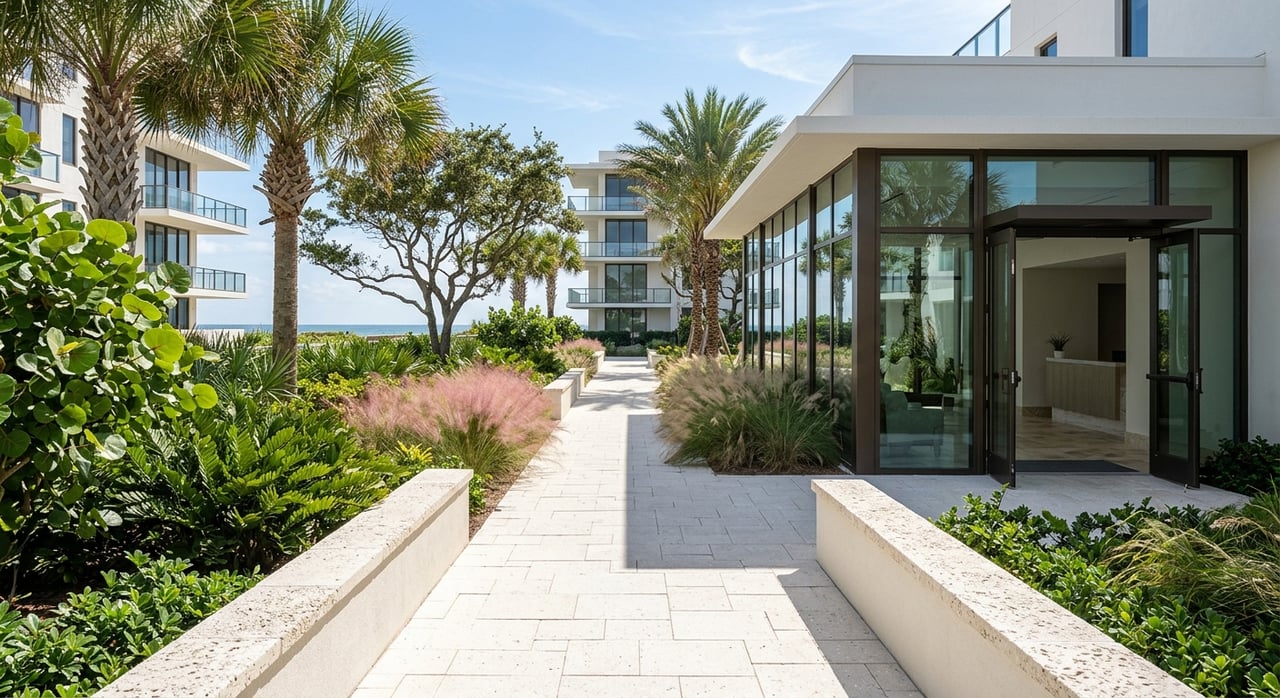
If you want a home that supports an easy stroll to parks, waterfront views, and a handful of everyday destinations, Ormond Beach offers a few standout pockets worth a closer look. The key is knowing the difference between a truly walkable area and a place that is simply nearby on a map. This guide will help you understand where walkable living is most realistic in Ormond Beach, what trade-offs to expect, and how to screen listings more carefully. Let’s dive in.
Where walkable living fits best
In Ormond Beach, the most walkable areas tend to cluster in and around the Historic Ormond District. Based on city planning and retail information, the strongest walkable pockets are typically the Downtown CRA, the riverfront, and the beachside corridor.
These areas work well because they bring parks, civic spaces, local businesses, and scenic surroundings into closer reach. Instead of relying on a car for every outing, you may be able to build parts of your day around a simple walk.
Downtown Ormond Beach walkability
For many buyers, the downtown riverfront area is the clearest match for a park-and-stroll lifestyle. The city’s master plan connects this area through the Four Corners and nearby public spaces, creating a setting where you can move between parks, river views, and downtown stops with less effort.
This part of Ormond Beach includes well-known public spaces such as Cassen Park, Bailey Riverbridge Gardens, The Casements, Fortunato Park, and the Ormond Memorial Art Museum and Gardens. Cassen Park and Bailey Riverbridge Gardens both include walk or jog bike paths, and Bailey Riverbridge Gardens also features a walkway that extends under the Granada Bridge.
The city also describes downtown as the heart of the district, with small restaurants, boutiques, art galleries, and other shops in walkable proximity. For you as a buyer, that matters because it points to a more connected walking experience rather than a spread-out commercial pattern.
What downtown feels like
Downtown walkability is less about big-box convenience and more about lifestyle rhythm. You can picture a morning walk near the river, a stop at a local café or shop, and time in nearby parks without needing to drive between each destination.
If your goal is a compact, scenic setting with a mix of public spaces and local businesses, this area should likely be at the top of your search. It is one of the few places in Ormond Beach where daily walking can feel built into the setting.
Beachside walkability in Ormond Beach
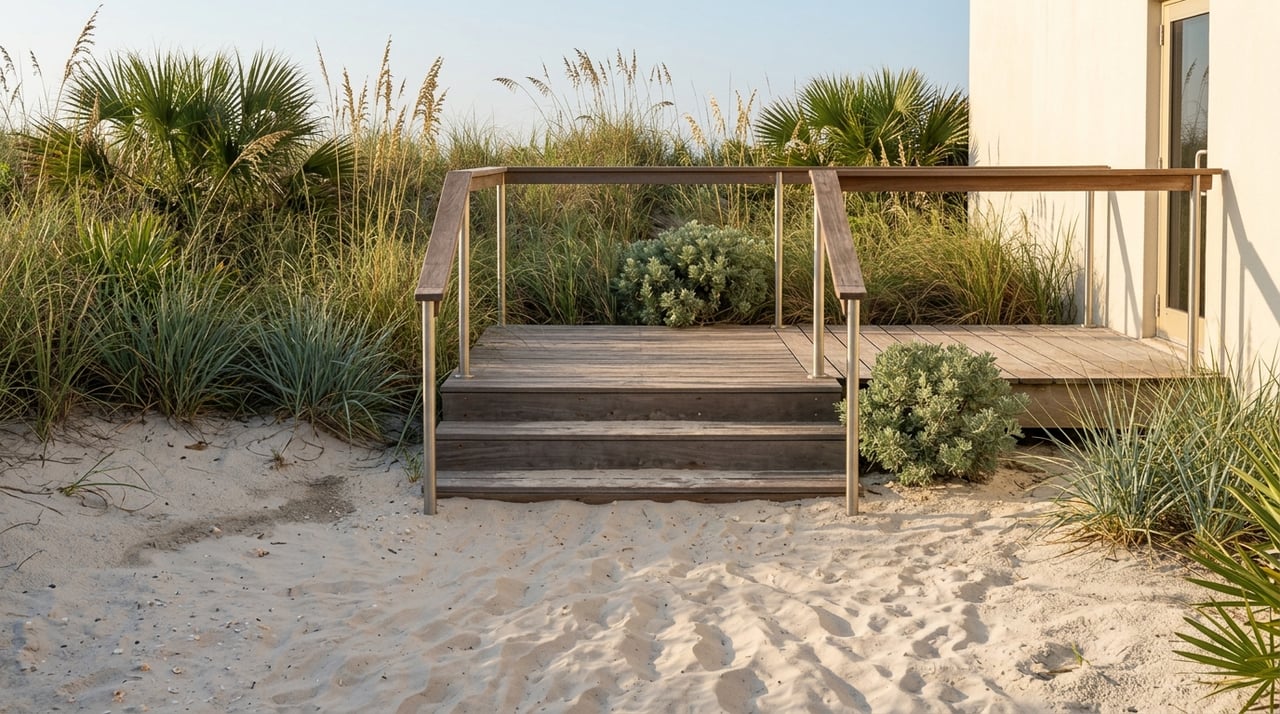
Beachside is the other major option for buyers who value walkable living. It offers a different experience from downtown, with more of a coastal stroll pattern centered on beach access, parks, and smaller beachside businesses.
The city’s master plan notes that this district includes many of Ormond Beach’s historic assets, along with newer development, small beach shops, and restaurants. If your idea of walkability includes ocean air, nearby beach ramps, and casual outings on foot, beachside may be the better fit.
Volusia County and the city identify several coastal parks in this corridor, including Andy Romano Beachfront Park, Rockefeller Beach Park, and Cardinal Drive Beach Park. Andy Romano Beachfront Park includes beach access, off-beach parking, a splash pad, a playground, pavilions, concessions, and restrooms. Cardinal Drive Beach Park specifically notes a signalized pedestrian crosswalk to the beach ramp.
What beachside feels like
Beachside walkability tends to be more scenic and recreational. It often works best when a property is close to a beach ramp, park entrance, or a compact cluster of shops and restaurants along the corridor.
This can be a strong option if you want to enjoy walking without giving up access to amenities. It is especially appealing when your priority is being near the coast rather than being in a traditional downtown setting.
Inland neighborhoods and trade-offs
Not every buyer wants to live downtown or near the beach. If you prefer a quieter inland setting, Ormond Beach still offers areas with meaningful sidewalk infrastructure, but the lifestyle usually becomes more residential and more car-assisted.
The city’s bike planning materials note that many local streets have sidewalks on both sides or an 8-foot sidewalk on one side. The same material specifically points to sidewalk networks in the Central Park area and along West Granada Boulevard.
That said, inland walkability is usually different from what you find in the historic core or along beachside. In many of these areas, the experience is more about walking the neighborhood, reaching a park, or enjoying a sidewalk network rather than walking to a cluster of shops and restaurants.
Why inland can feel different
The city’s planning material describes Uptown as heavily vehicle dominated and home to most of the district’s major regional retailers. That makes it less naturally stroll-oriented than downtown or beachside.
So if you are searching inland, it helps to define what walkability means to you. If you want peaceful residential walks and nearby green space, inland areas may work well. If you want to walk to multiple daily destinations, the fit may be less consistent.
How to screen listings for walkable living
A listing can sound walkable without truly delivering a walk-once lifestyle. In Ormond Beach, it helps to look for specific location cues and district references rather than relying only on broad marketing language.
Listings are more likely to align with a walkable lifestyle when they use concrete terms like walk to, adjacent to, across from, riverfront, beach access, or walk/jog bike path. It also helps when the property sits within or immediately next to the Downtown CRA or Beachside.
Search terms worth using
When you review listings or map results, these terms can help narrow the field:
- Downtown CRA
- Historic Ormond District
- Beachside
- riverfront
- beach access
- walk/jog bike path
- sidewalks
- nearby landmarks such as Cassen Park, Bailey Riverbridge Gardens, The Casements, Fortunato Park, Andy Romano Beachfront Park, or Rockefeller Beach Park
Phrases that deserve a closer look
Some listing language may sound promising but still need verification. Be cautious when you see phrases like these without more detail:
- Convenient to I-95
- Near Granada Bridge, US1, A1A, or Granada Boulevard without mention of sidewalks or crossings
- Near parks but not near daily services
- Close to without a clear address or map pin
These are not automatic deal-breakers. They are simply signals to slow down and confirm how the area functions in real life.
Why map checks matter
A property can look close to downtown or beachside on paper and still feel disconnected on foot. That is especially important in Ormond Beach, where route quality can shape whether a home supports daily walking or only occasional outings.
The city’s CRA master plan identifies the Granada Bridge as the main connection between Downtown and Beachside, but also notes that it currently functions as a difficult pedestrian environment. That means a location near one walkable zone does not automatically create an easy connection to the other.
The city also maintains curbs, gutters, sidewalks, and street lighting on city roads, and works on state-road rights-of-way along A1A, US1, and SR 40. Even so, you should confirm that a property has a continuous sidewalk route instead of assuming that a major roadway nearby will feel comfortable for daily walking.
A practical way to choose
If your main goal is a true park-and-stroll lifestyle, focus first on the downtown riverfront cluster and the beachside corridor. Those areas appear to offer the strongest combination of walkable public spaces, local destinations, and lifestyle appeal.
If you prefer a quieter residential setting, inland Ormond Beach may still be a strong fit, especially if sidewalks and nearby parks matter more to you than storefront access. The right choice depends on whether you want compact convenience, scenic coastal walking, or a more private neighborhood rhythm.
For buyers who value thoughtful guidance and local insight, a careful property search can save time and narrow in on the streets and blocks that best match your routine. If you are considering a move in Ormond Beach or anywhere along the east Volusia coast, The Cook Group Luxury Real Estate can help you identify properties that align with the lifestyle you actually want.
FAQs
What parts of Ormond Beach are most walkable for daily living?
- The strongest walkable areas are typically the Downtown CRA, the downtown riverfront cluster, and the beachside corridor within the Historic Ormond District.
What makes downtown Ormond Beach appealing for walkable living?
- Downtown combines parks, riverfront public spaces, and small local businesses in closer proximity, which supports a more connected stroll-oriented lifestyle.
Is beachside Ormond Beach a good fit for buyers who want to walk more?
- Yes. Beachside can work well if you want scenic walking near beach access points, coastal parks, and smaller clusters of shops and restaurants.
Are inland Ormond Beach neighborhoods still walkable?
- Some inland areas offer sidewalks and pleasant neighborhood walking, but they usually support a more residential, car-assisted lifestyle than downtown or beachside.
Why should Ormond Beach buyers verify sidewalks and crossings?
- A property may appear close to key destinations on a map, but route conditions, busy roads, and difficult pedestrian connections can affect how walkable it feels day to day.
What listing terms can help identify walkable homes in Ormond Beach?
- Useful terms include riverfront, beach access, walk/jog bike path, sidewalks, Downtown CRA, Historic Ormond District, and Beachside.